
…………………………………………………………………………………………………………………………………………………………………………………………………………………………………………..
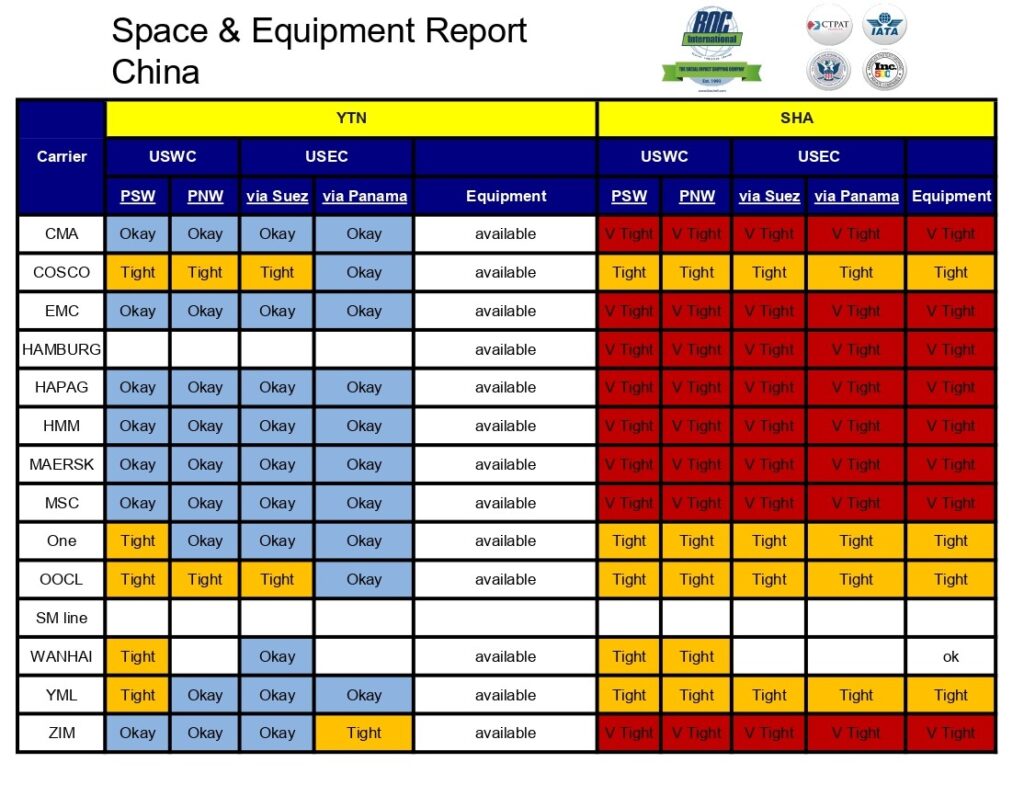
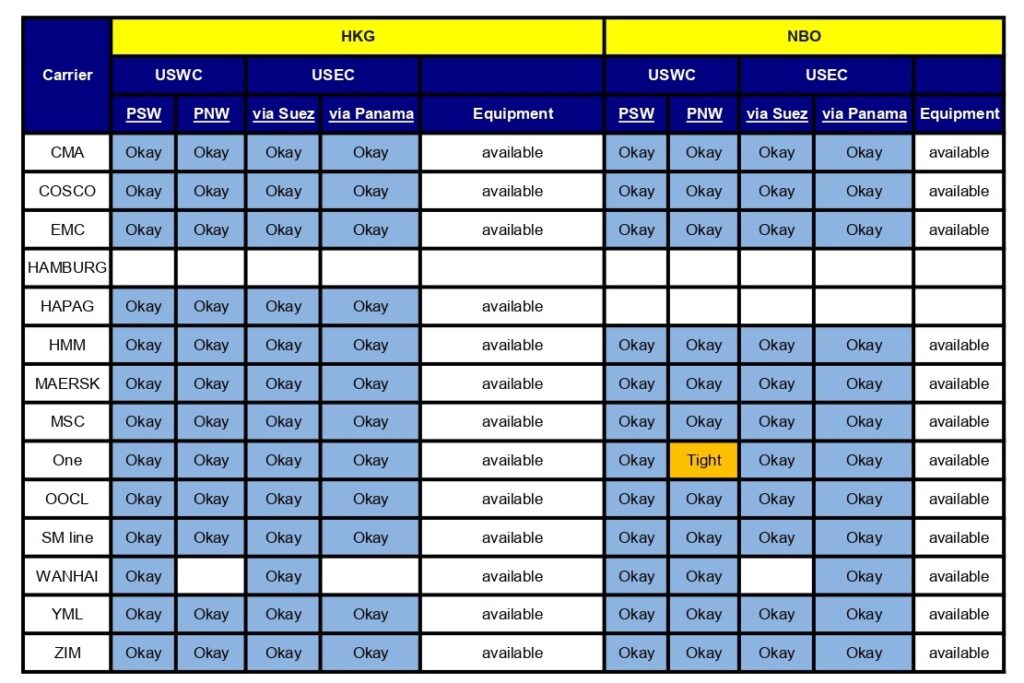
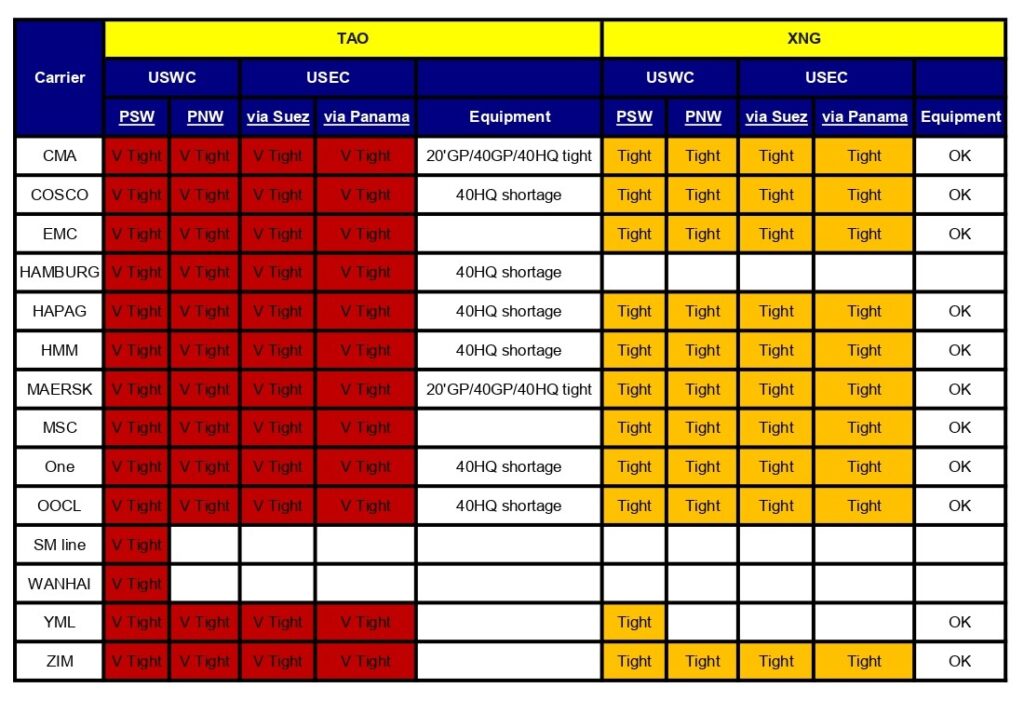
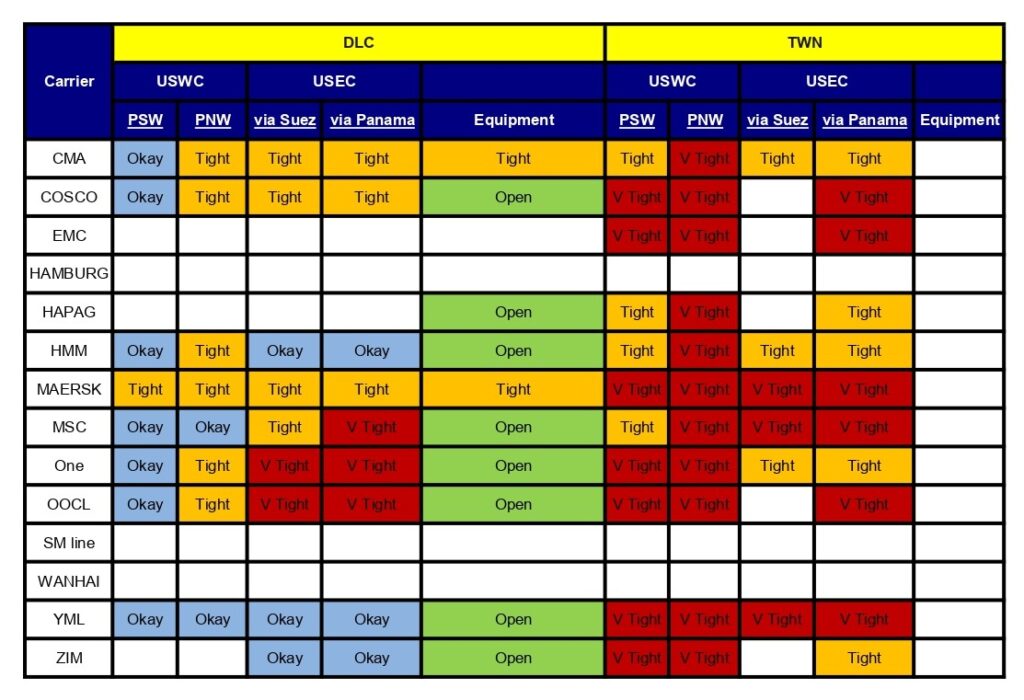
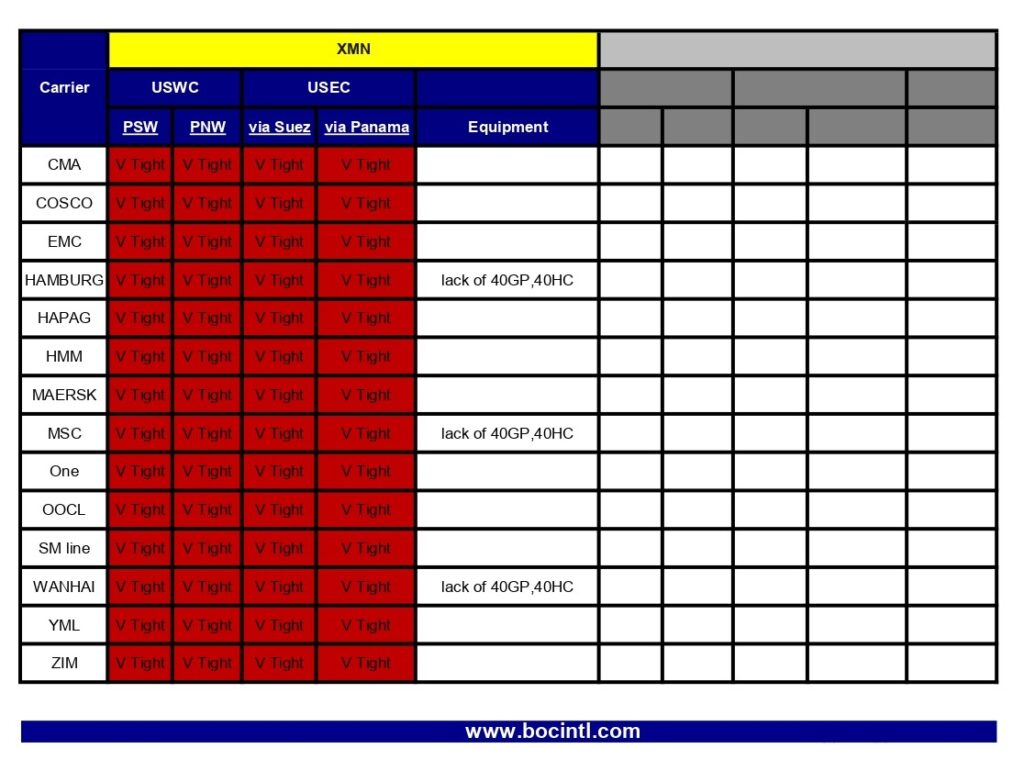
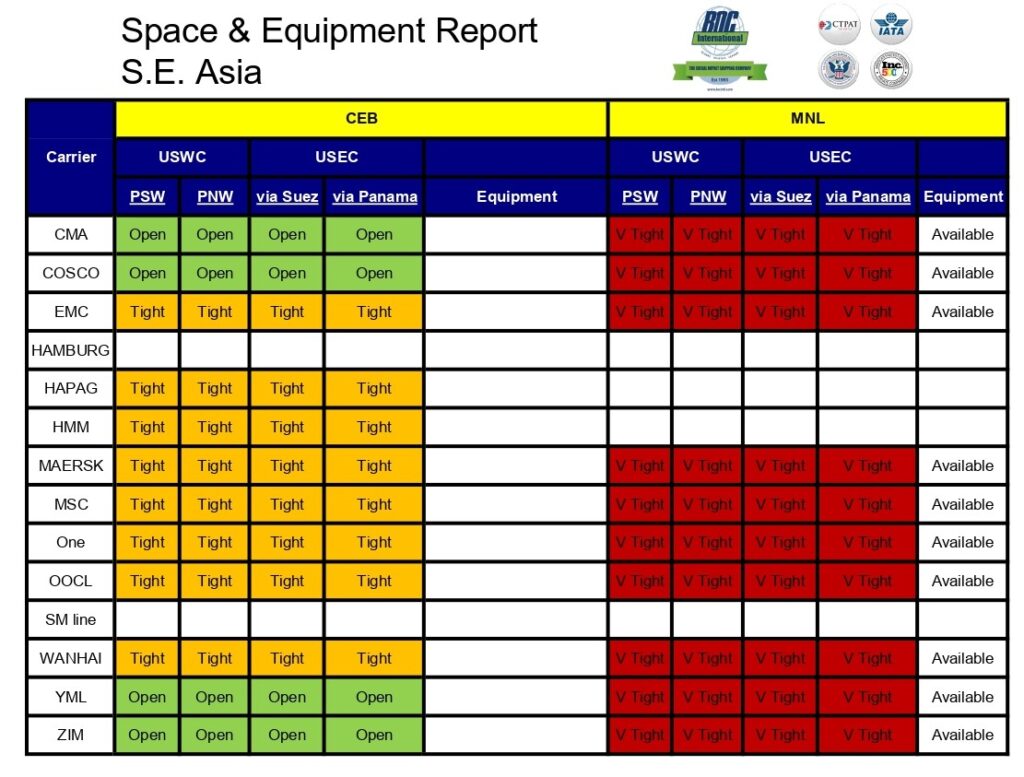
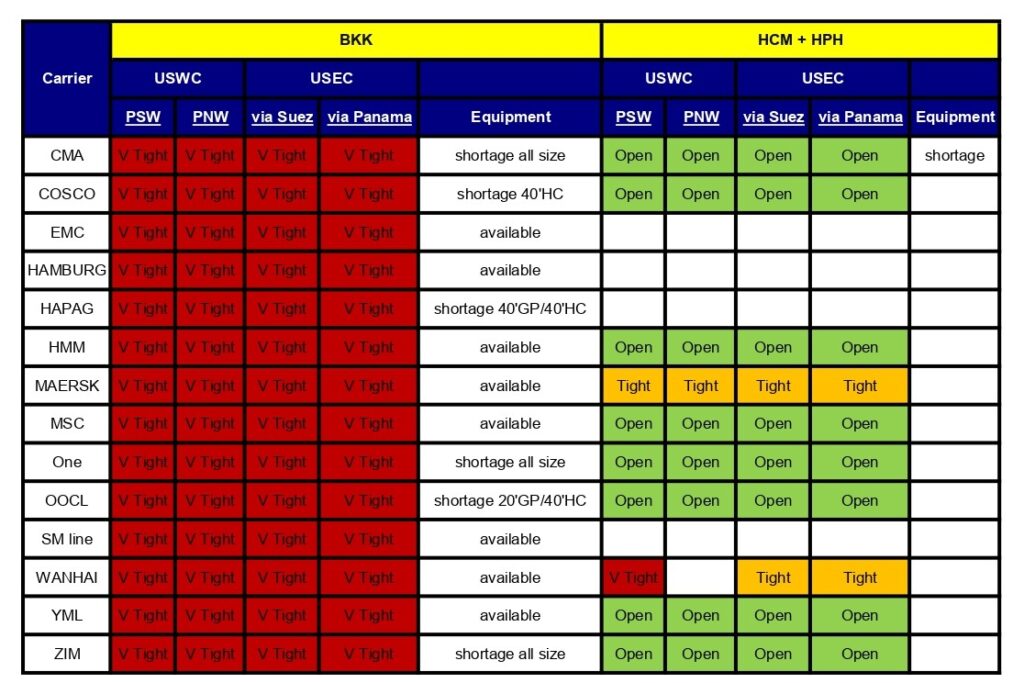
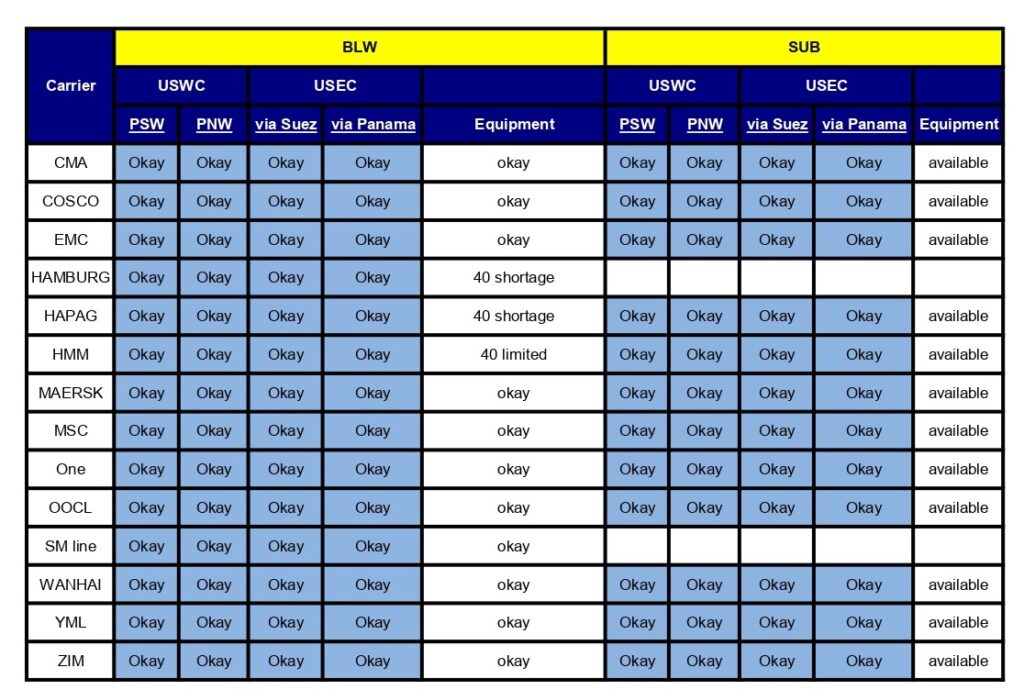
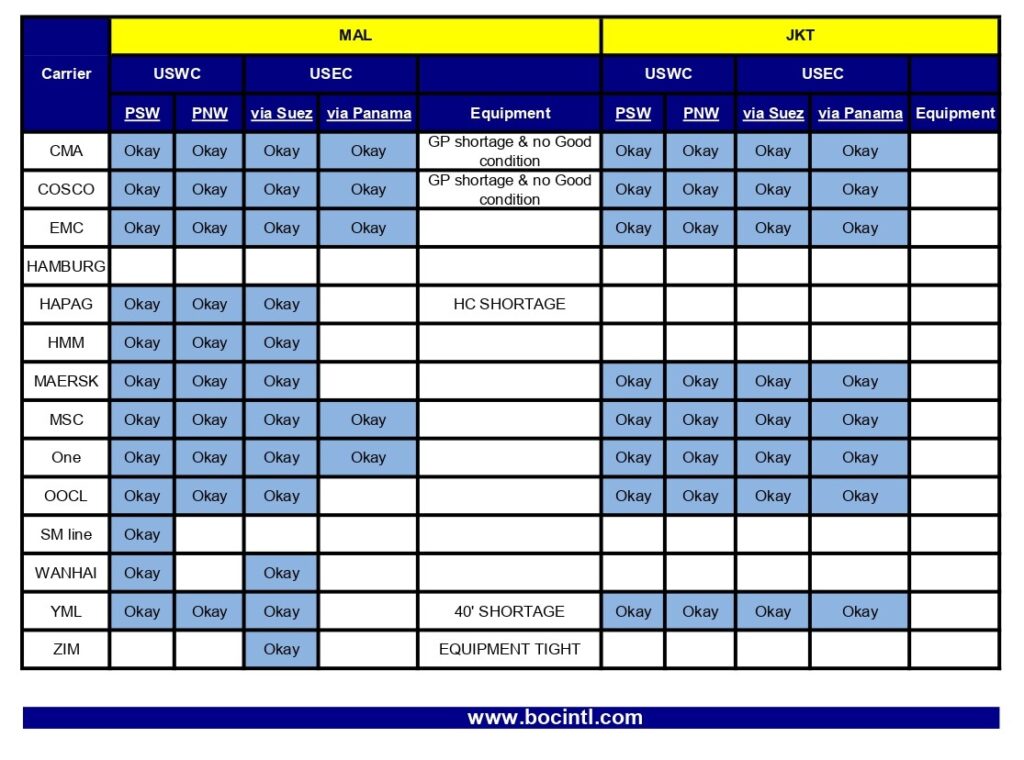
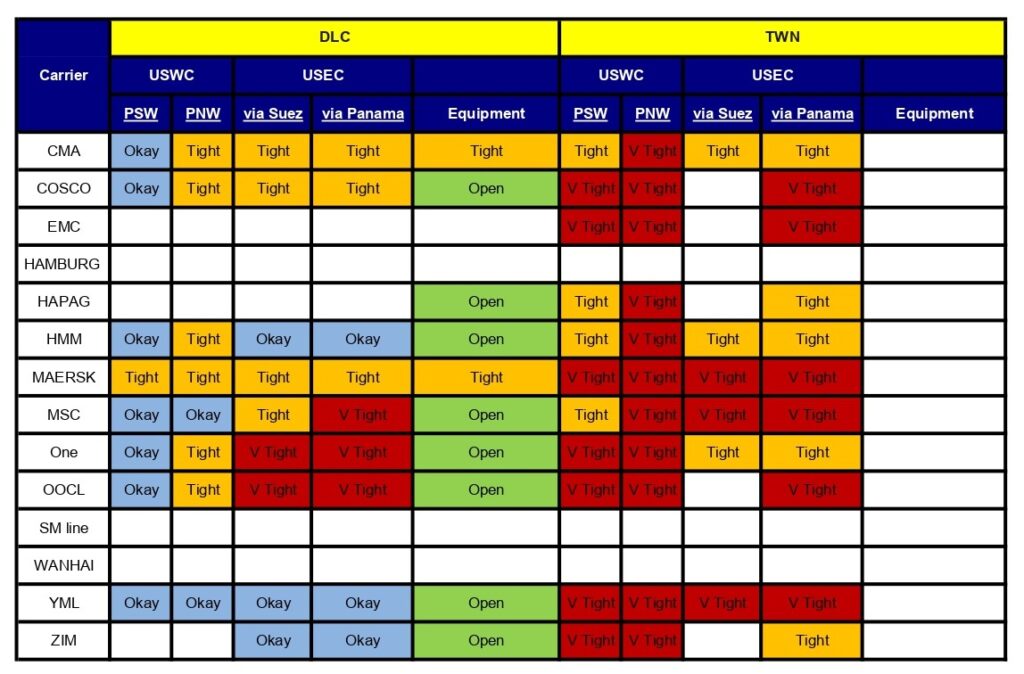
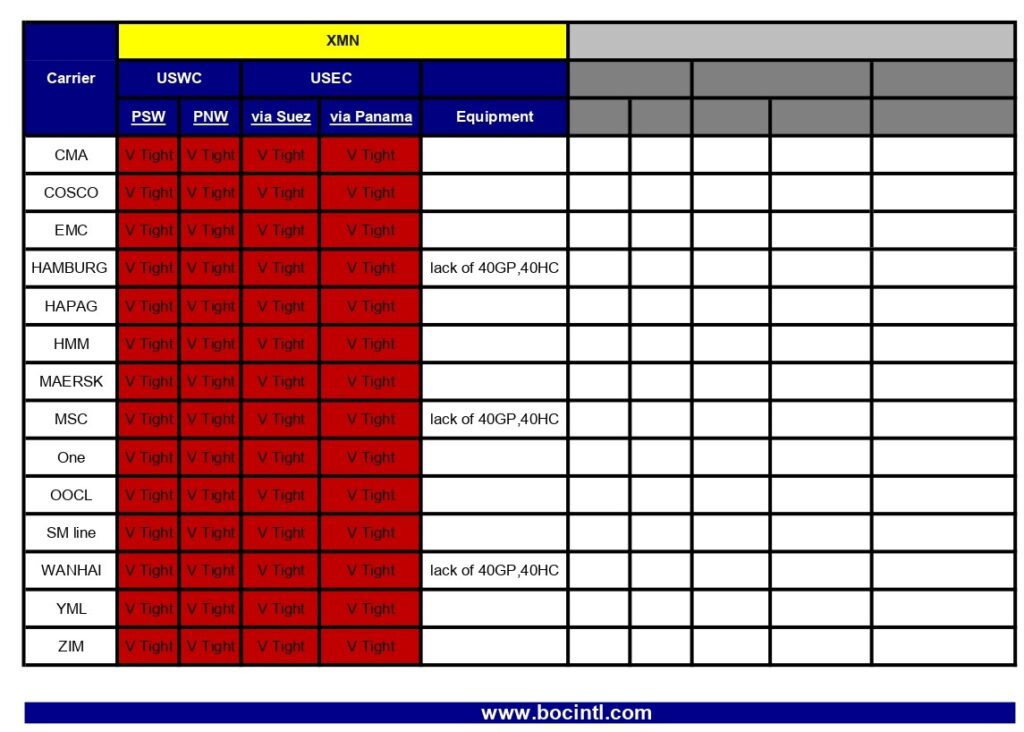
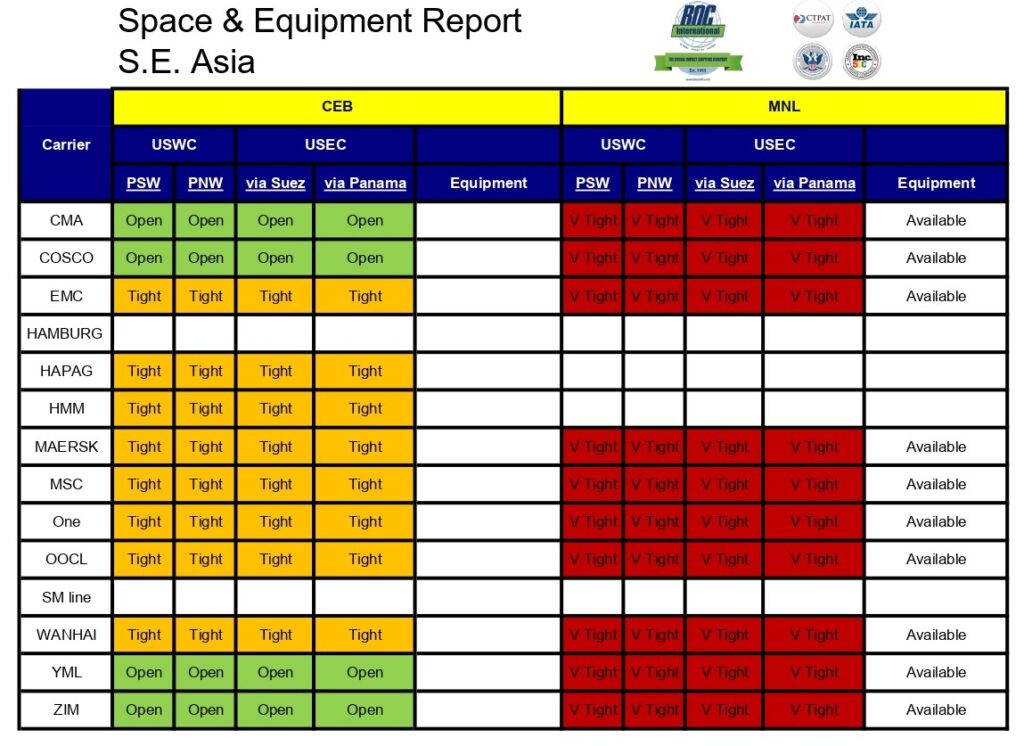
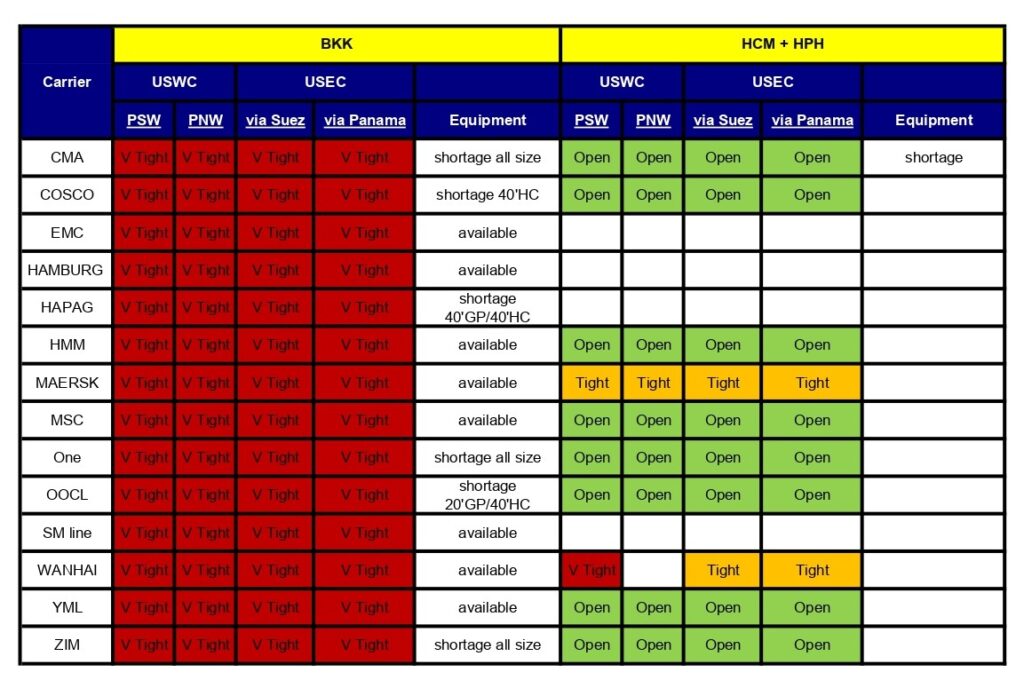
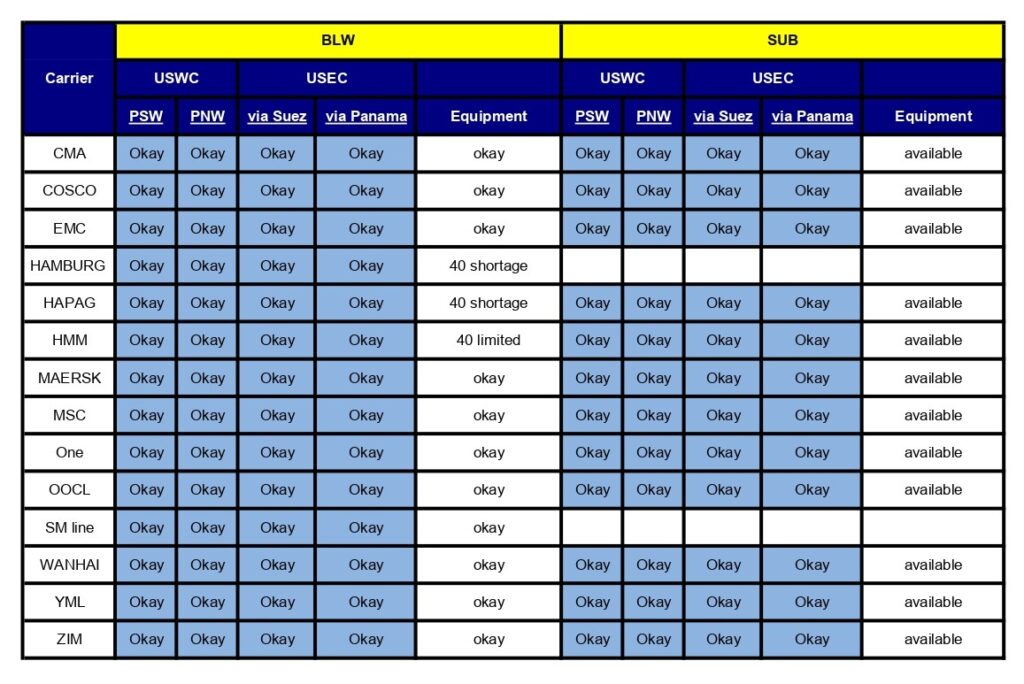
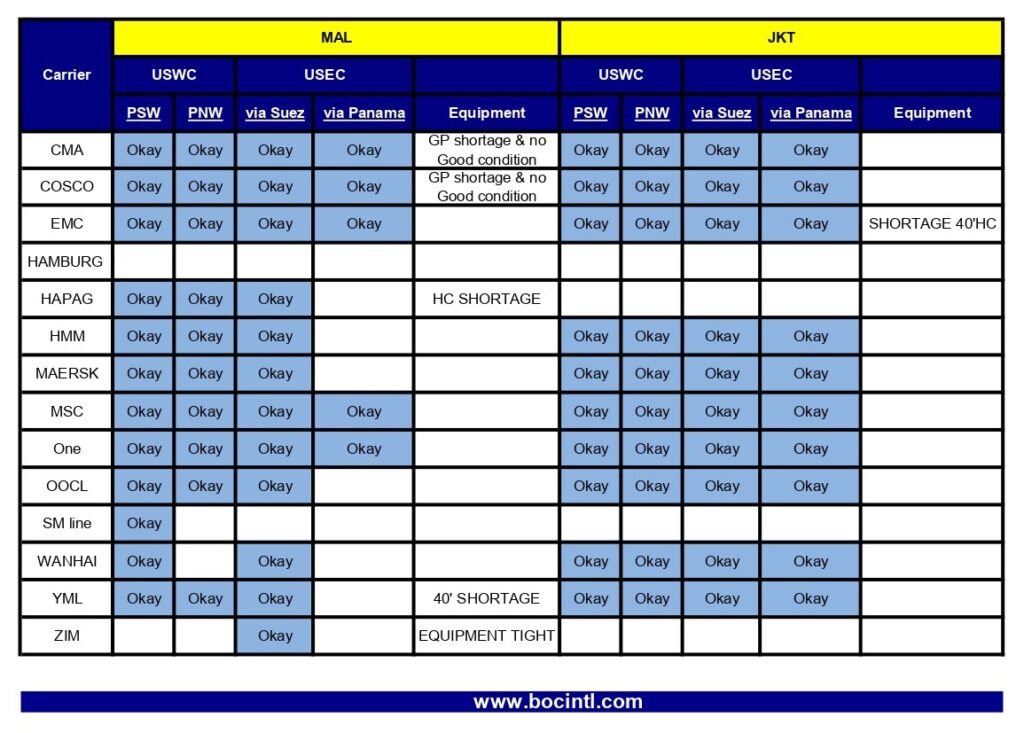
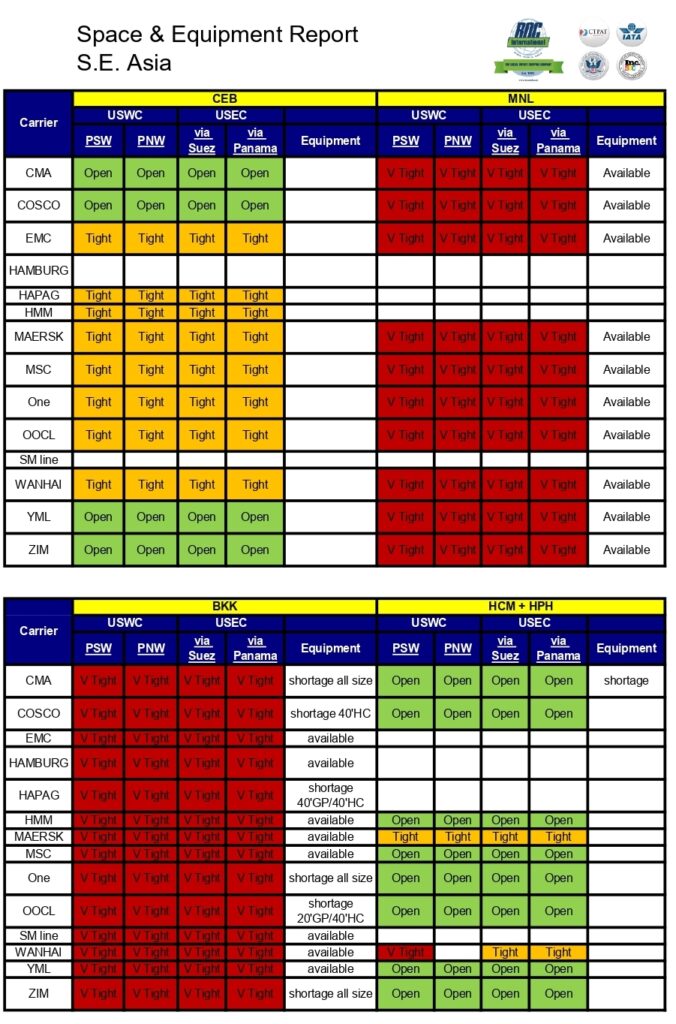
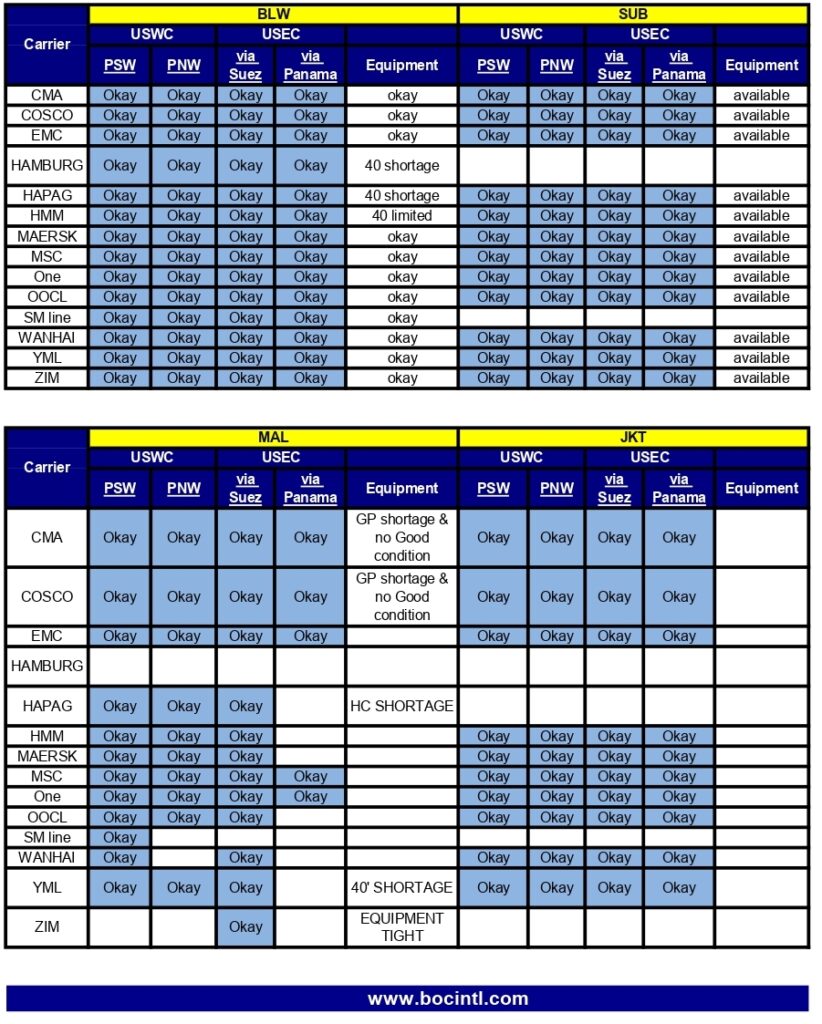
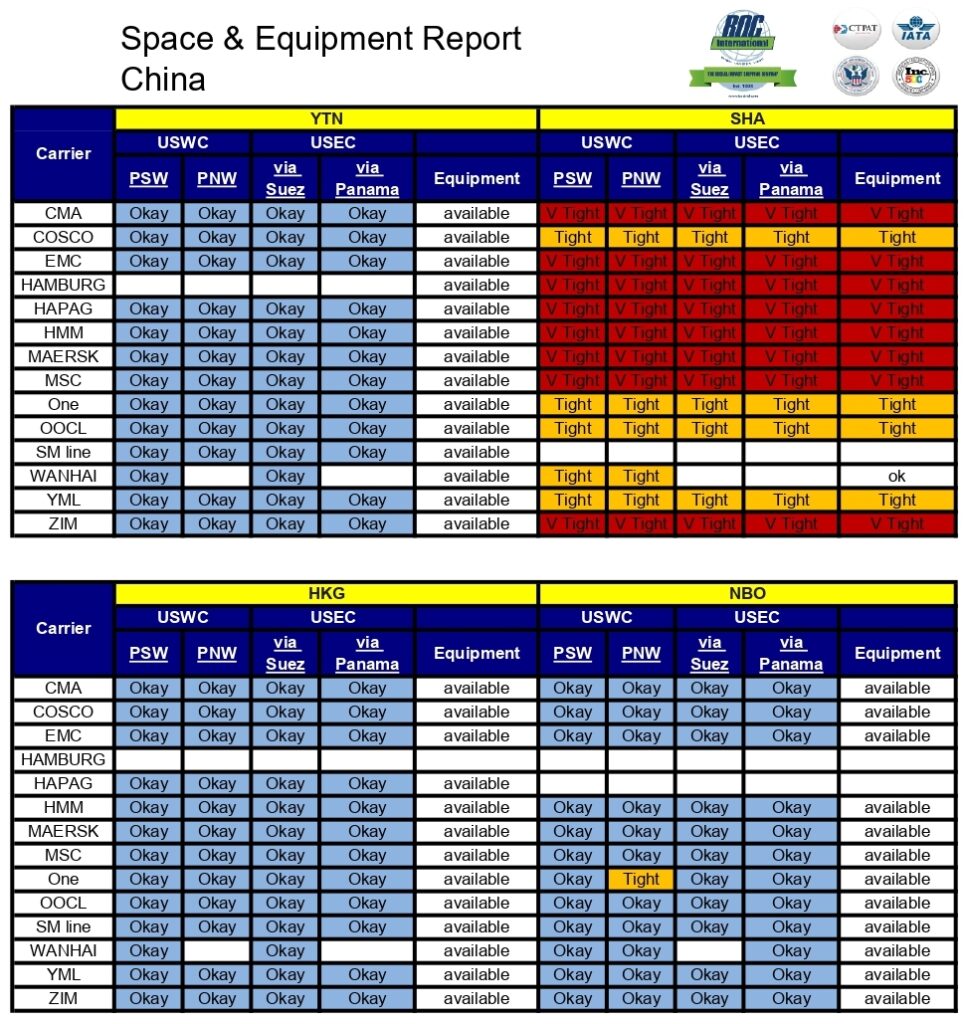
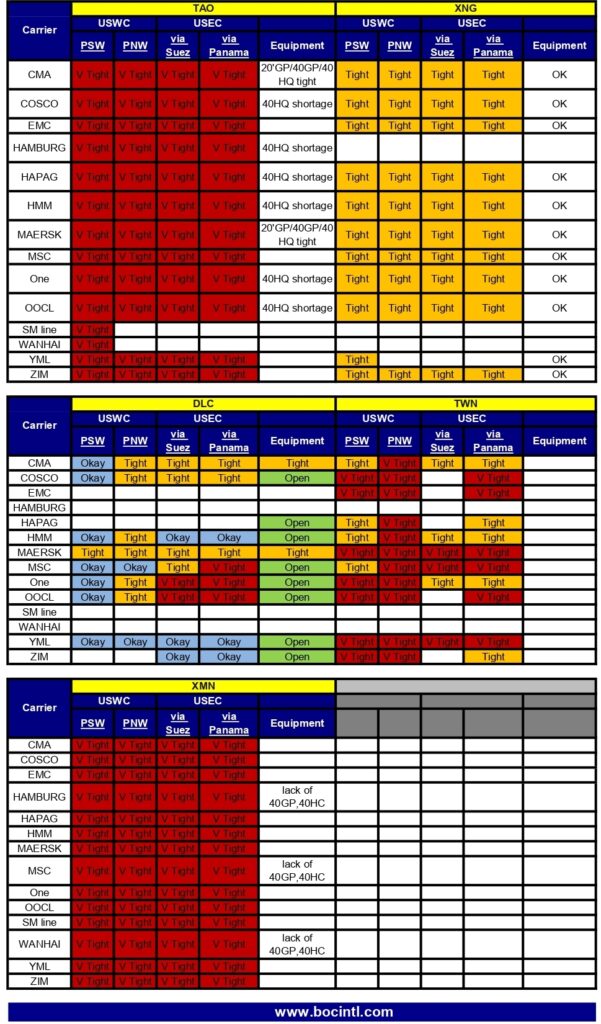
Please find our newest Space and Equipment report, below.
Please note: regardless of the status showing on the report, please reach out to your BOC Representative to discuss existing status. Space availability changes daily, even multiple times per day. This report is just a general guideline. We will always do everything we can to help you move your freight.
…………………………………………………………………………………………………………………………………………………………………………………………………………………………………………..
…………………………………………………………………………………………………………………………………………………………………………………………………………………………………………..

…………………………………………………………………………………………………………………………………………………………………………………………………………………………………………..


…………………………………………………………………………………………………………………………………………………………………………………………………………………………………………..
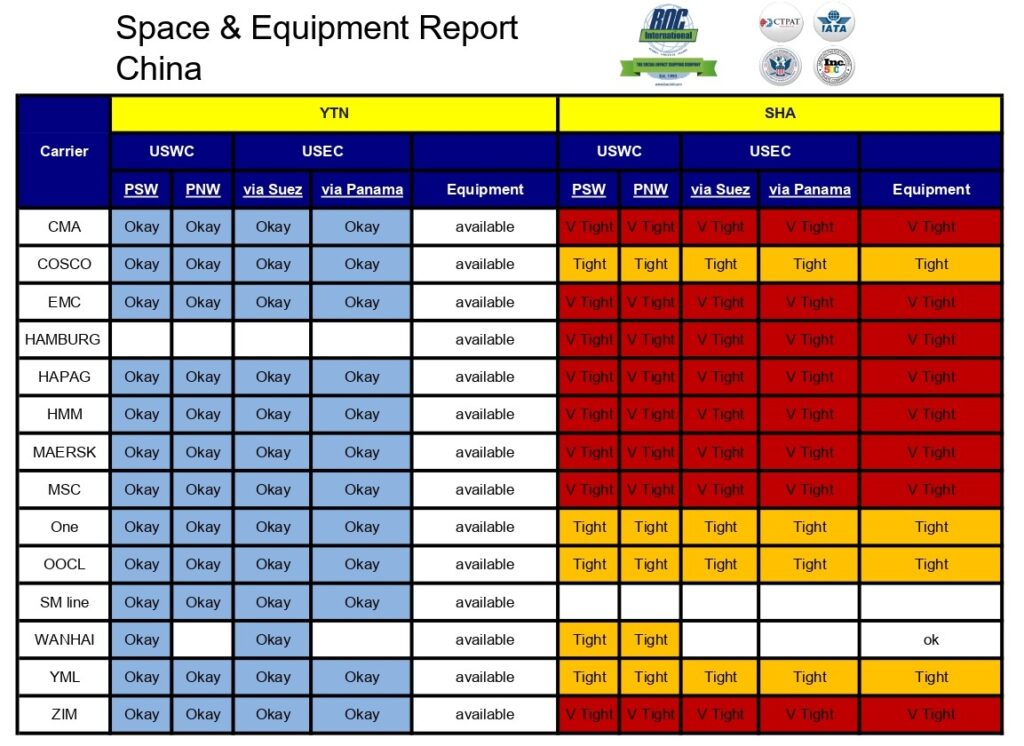
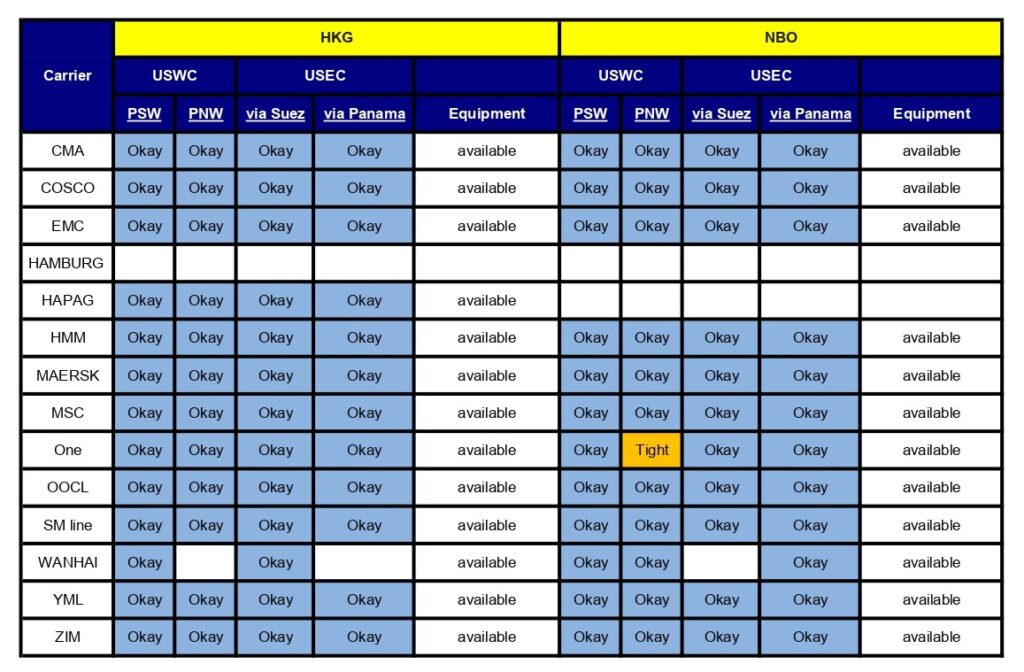
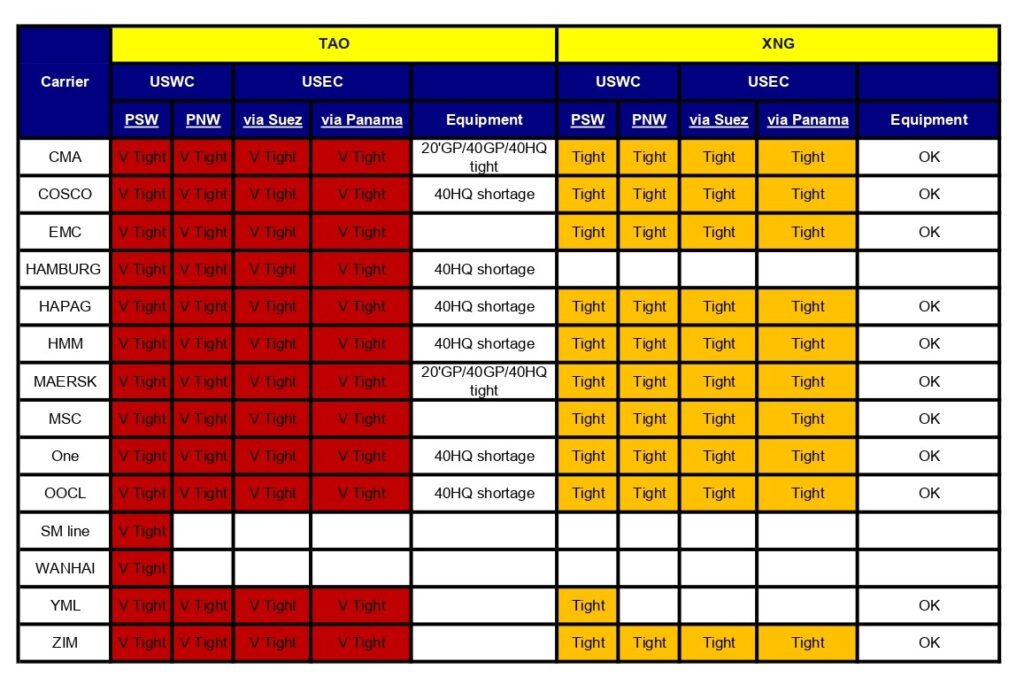
Please find our newest Space and Equipment report, below.
Please note: regardless of the status showing on the report, please reach out to your BOC Representative to discuss existing status. Space availability changes daily, even multiple times per day. This report is just a general guideline. We will always do everything we can to help you move your freight.
…………………………………………………………………………………………………………………………………………………………………………………………………………………………………………..

…………………………………………………………………………………………………………………………………………………………………………………………………………………………………………..


…………………………………………………………………………………………………………………………………………………………………………………………………………………………………………..
Trade Functions Affected by Federal Government Shutdown
…………………………………………………………………………………………………………………………………………………………………………………………………………………………………………..
Trade and customs-related functions will be impacted by a federal government shutdown that began Oct. 1. Some departments and agencies will remain largely open, though some services could be slowed, while others will see most services suspended.
CBP/DHS
A plan released by the Department of Homeland Security, along with information provided by U.S. Customs and Border Protection officials, indicate that a number of activities will continue during the shutdown, including (1) tariff collection and implementation, (2) cargo inspection and passenger processing functions at ports of entry, (3) law enforcement operations, and (4) activities necessary by law or the Constitution or for the safety of human life or the protection of property.
Other functions will cease, including (1) planning (such as strategic or business activities), (2) research and development activities, (3) most policy functions, administrative as well as programmatic, (4) auditing, (5) most regulatory, legislative, public affairs, and intergovernmental affairs, and (6) most training and development.
In an Oct. 1 telephone call with the trade CBP officials noted that the entire agency is excepted from the shutdown and all operations are scheduled to continue uninterrupted, including those related to ruling requests and petitions; fines, penalties, and forfeitures; and messages to the trade. However, officials said they do not have visibility into partner government agencies and therefore do not know if there may be issues with import or export clearances by those agencies. CBP said that if traders encounter PGA-related issues they should first approach the port contacts for the PGAs and then contact CBP at the port if needed.
USTR
The Office of the U.S. Trade Representative’s shutdown plan said most agency functions will continue as normal because USTR’s responsibility for continuing negotiations with trading partners to implement tariff and trade agreements is viewed as essential to support the president’s discharge of his constitutional duties.
Activities that will cease include routine engagements with foreign trading partners on such initiatives as trade and investment framework agreements as well as all routine administrative functions beyond the minimum necessary to support exempt or excepted activities.
DOC
The Department of Commerce’s shutdown plan states that the DOC will cease most services and activities of the International Trade Administration and Census Bureau as well as services and activities provided by the Bureau of Economic Analysis and the Economic Development Administration.
However, the DOC plans to continue export enforcement activities, including ongoing criminal investigations and prosecutions as well as coordination with other law enforcement and intelligence agencies in furtherance of national security. It will also continue any work necessary under ongoing or potential future Section 232 investigations regarding the effect of imported articles on national security.
ITC
The International Trade Commission’s shutdown plan states that the ITC will continue to maintain the Harmonized Tariff Schedule of the U.S. (which is necessary to effectuate tariffs imposed by the president), conduct litigation activities for which time extensions have not been granted, and engage in other activities necessary to support excepted functions.
Activities that will be suspended include (1) investigative activities, including those related to AD/CVD, intellectual property rights, and import safeguard proceedings, (2) technical assistance to USTR and Congress, and (3) all other functions that do not directly support active litigation to which the ITC or the U.S. is a party or other activities necessary to support excepted functions.
USDA
The Department of Agriculture’s shutdown plan states that activities that will continue include import and export operations supported by user fees, some participation in and support of trade negotiations, and animal and plant health emergency programs (e.g., highly-pathogenic avian influenza, New World screwworm, etc.). Activities that will be suspended include regulatory work and most activities by the Foreign Agricultural Service.
FMC
The Federal Maritime Commission said all employees have been placed on furlough and that all FMC functions have been suspended, including the following.
– The FMC will not process service contract filing submissions.
– The FMC will not accept online filings or applications through its website for ocean transportation intermediary automated applications or license updates (form FMC-18), foreign unlicensed non-vessel-operating common carrier registrations or renewals (form FMC-65), or tariff registration forms (form FMC-1).
– The FMC will not accept filings for ocean carrier or marine terminal operator agreements or amendments; applications for certification of financial responsibility for cruise lines embarking from U.S. ports; or agreement monitoring reports, minutes, or transcripts.
– FMC online databases (SERVCON, the VOCC and NVOCC tariff list, the list of FMC licensed and bonded OTIs, and agreement notices) will be accessible but will not be updated.
– The FMC will not accept or act on complaints or requests for dispute resolution or ombudsman services.
DDTC
The State Department’s Directorate of Defense Trade Controls said its services are significantly curtailed, including Defense Export Control and Compliance System submissions for registrations, licenses (including batch submissions), advisory opinions, and commodity jurisdiction determinations. Requests in process at DDTC as of Sept. 30 will remain in that status but further review of non-excepted actions will be delayed. Functions that may be continued include those necessary for activities essential to national security, including the conduct of foreign affairs essential to national security.
CPSC
The Consumer Product Safety Commission’s shutdown plan indicates that most operations will be suspended, including import surveillance and product screening, compliance actions that do not involve an imminent threat to the safety of human life, most recalls, civil penalties, and regulatory actions.
Additional agency plans may be posted on individual websites. A useful reference compiled by the Federal News Network can be found here.
…………………………………………………………………………………………………………………………………………………………………………………………………………………………………………..

…………………………………………………………………………………………………………………………………………………………………………………………………………………………………………..

…………………………………………………………………………………………………………………………………………………………………………………………………………………………………………..
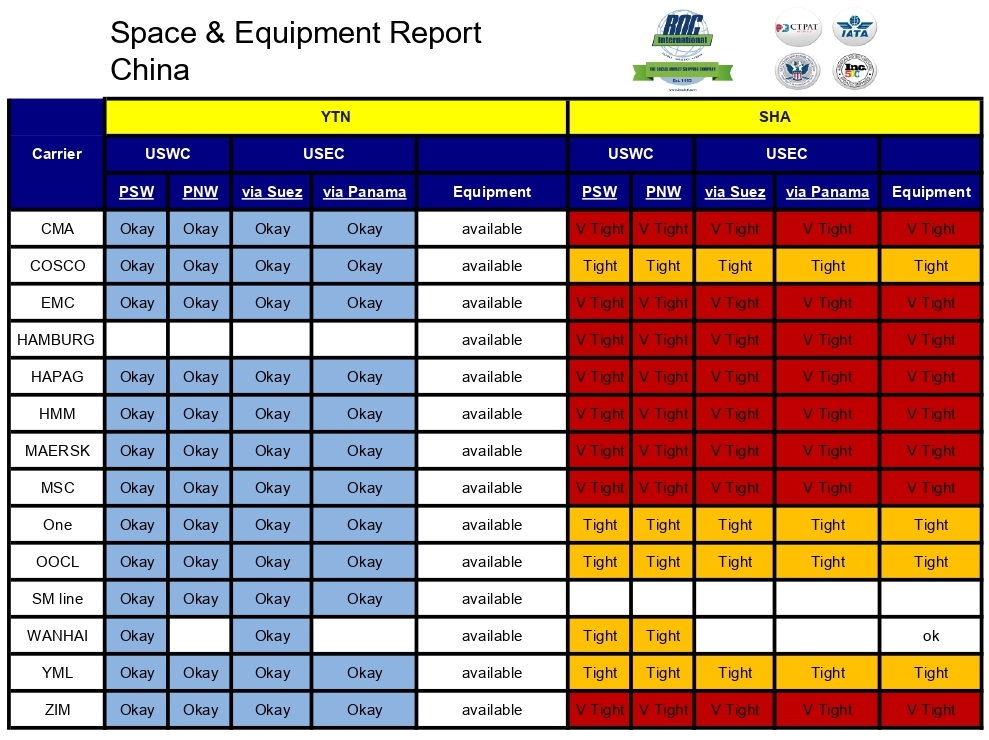
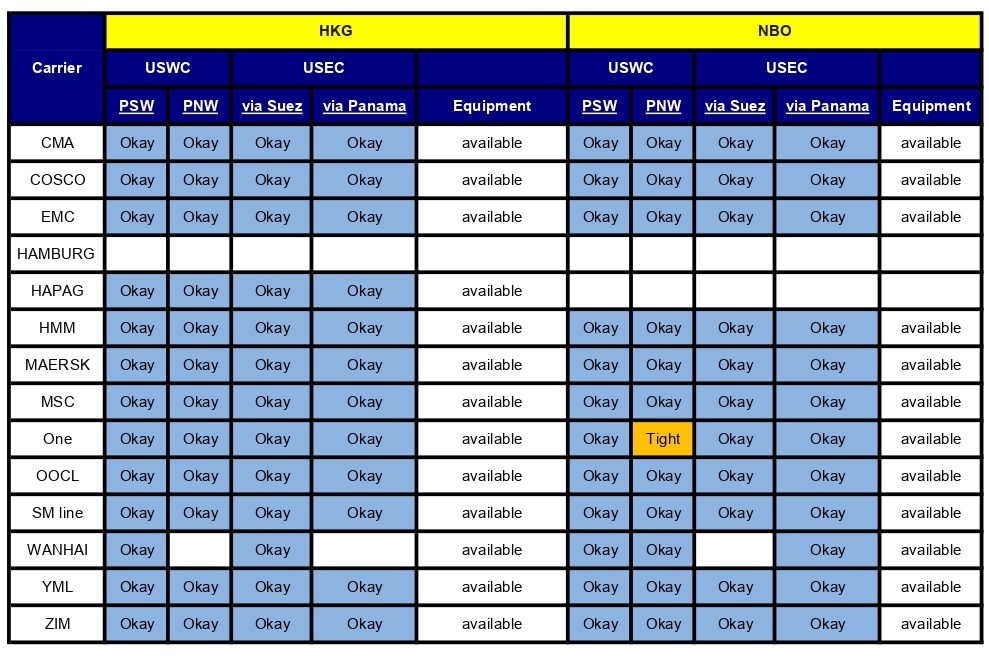
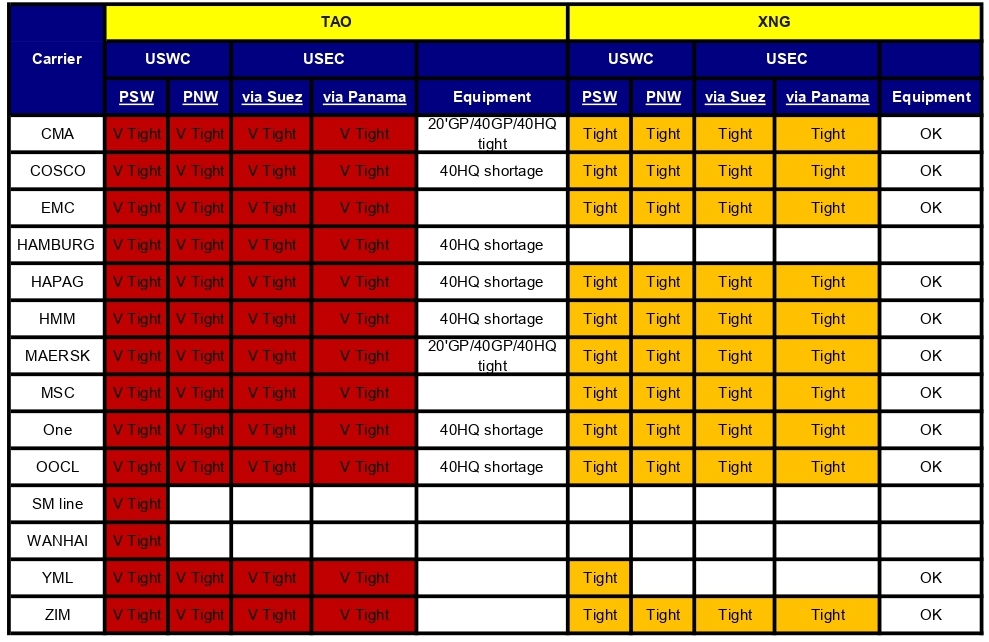
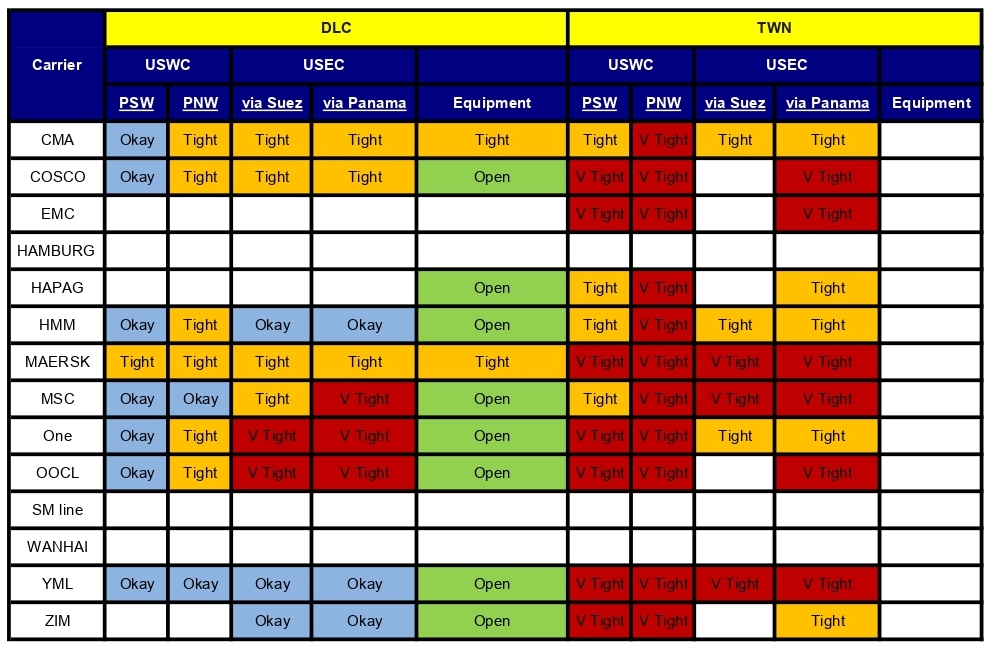
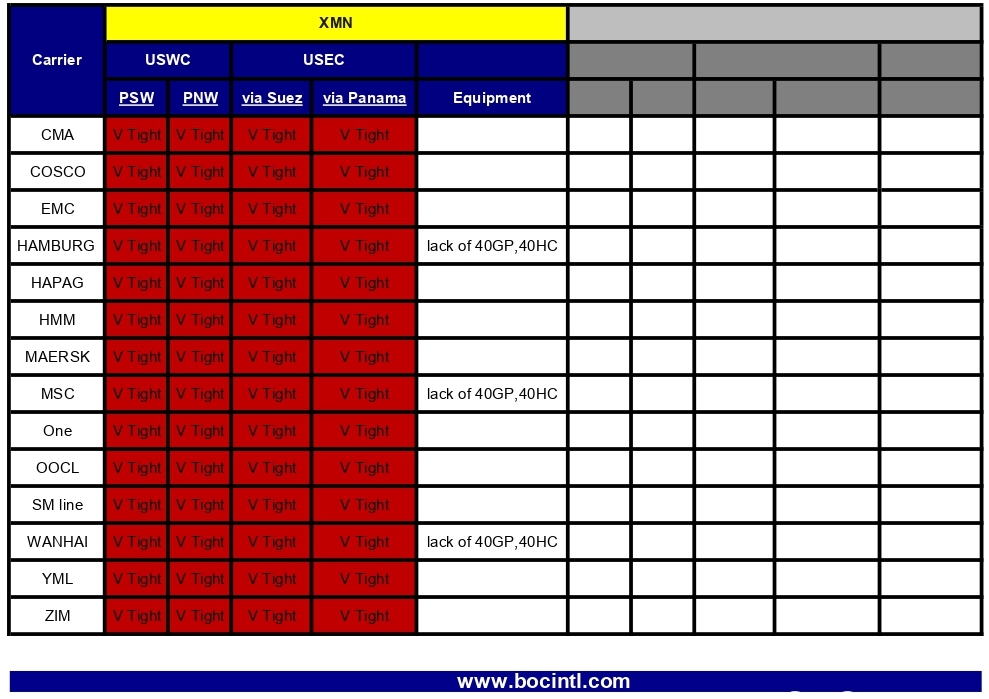
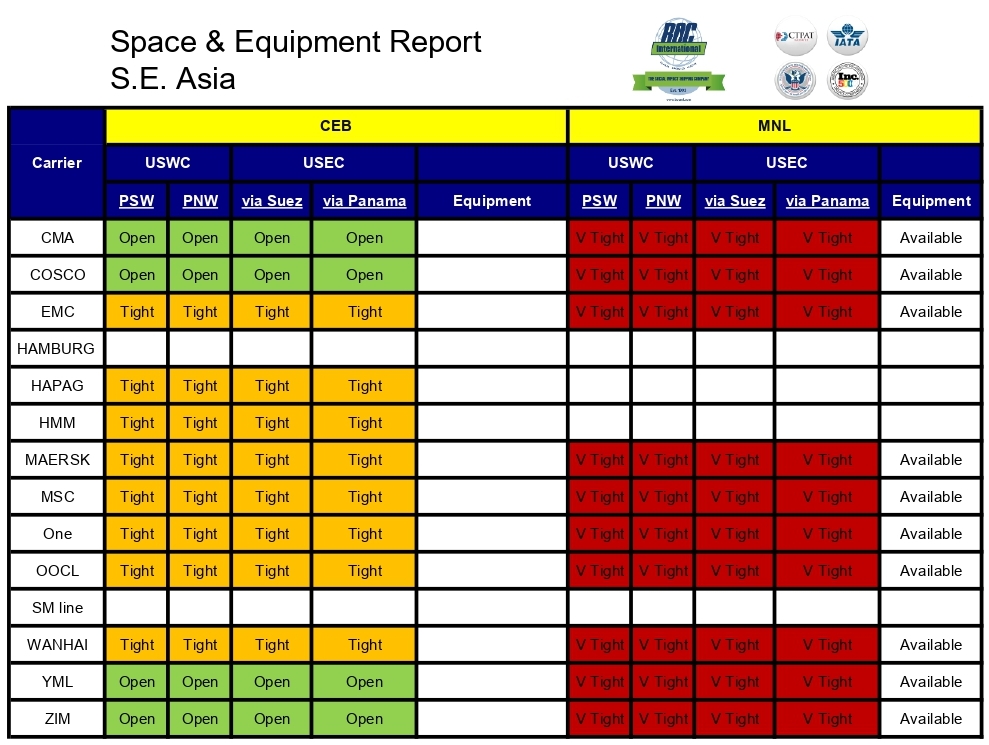
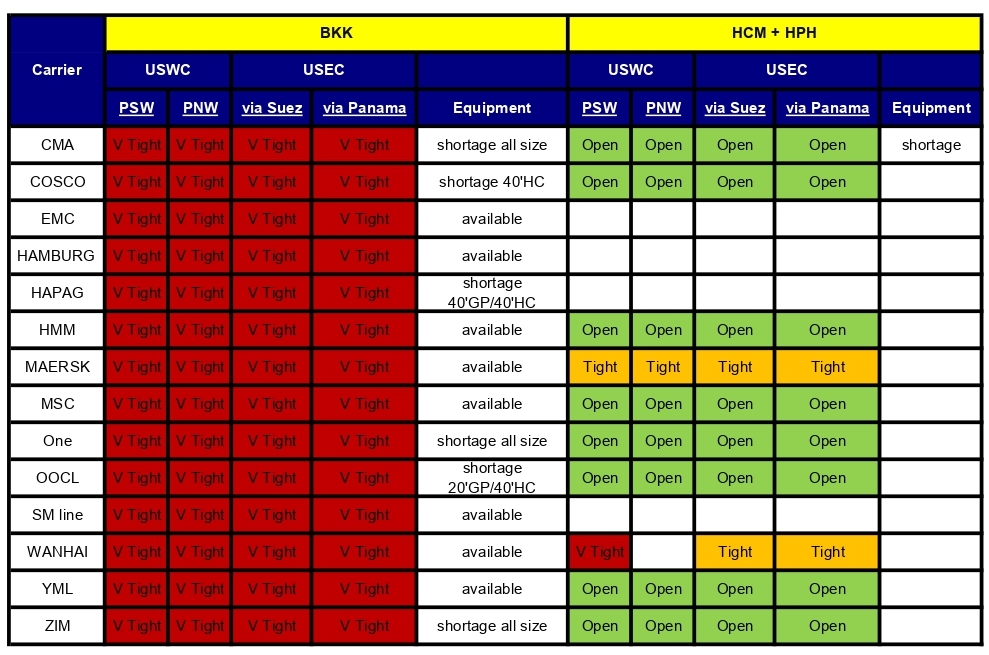
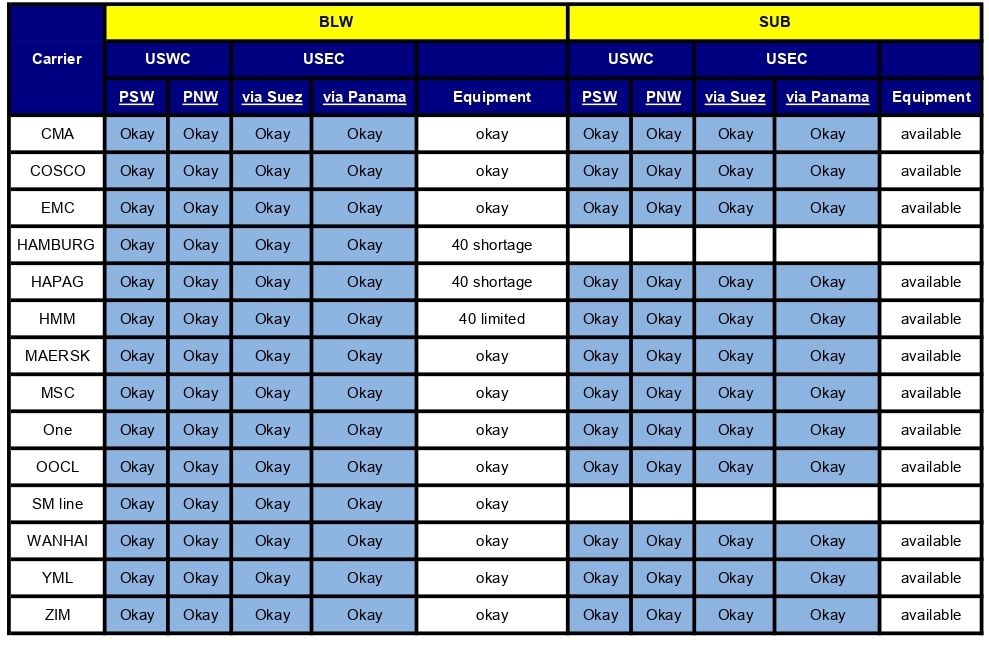
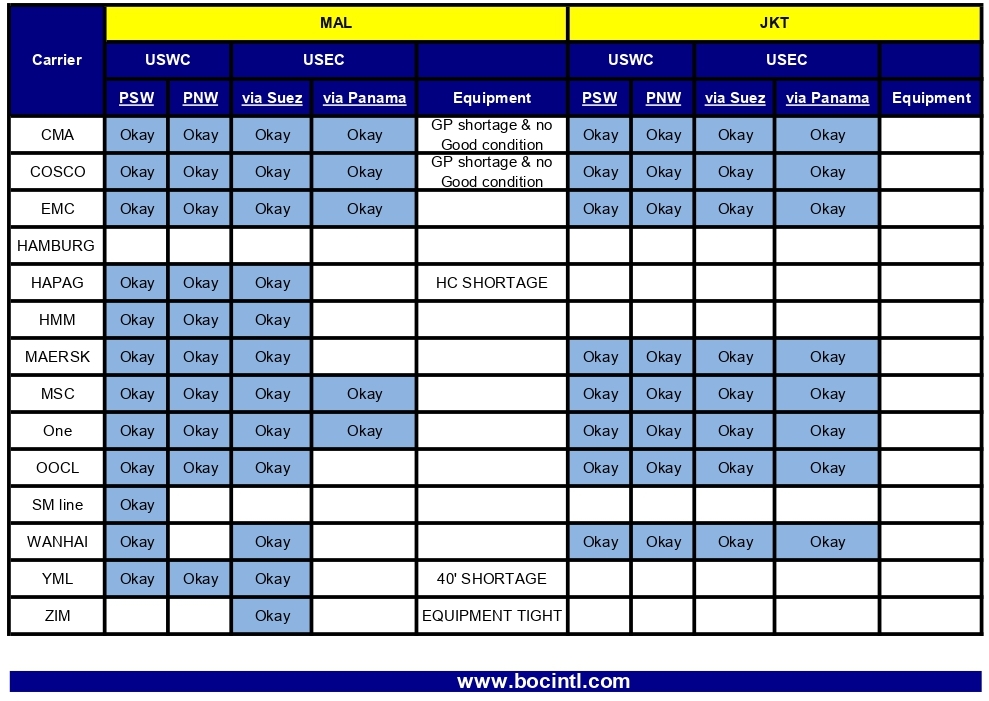
Please find our newest Space and Equipment report, below.
Please note: regardless of the status showing on the report, please reach out to your BOC Representative to discuss existing status. Space availability changes daily, even multiple times per day. This report is just a general guideline. We will always do everything we can to help you move your freight.
…………………………………………………………………………………………………………………………………………………………………………………………………………………………………………..
…………………………………………………………………………………………………………………………………………………………………………………………………………………………………………..

…………………………………………………………………………………………………………………………………………………………………………………………………………………………………………..


…………………………………………………………………………………………………………………………………………………………………………………………………………………………………………..
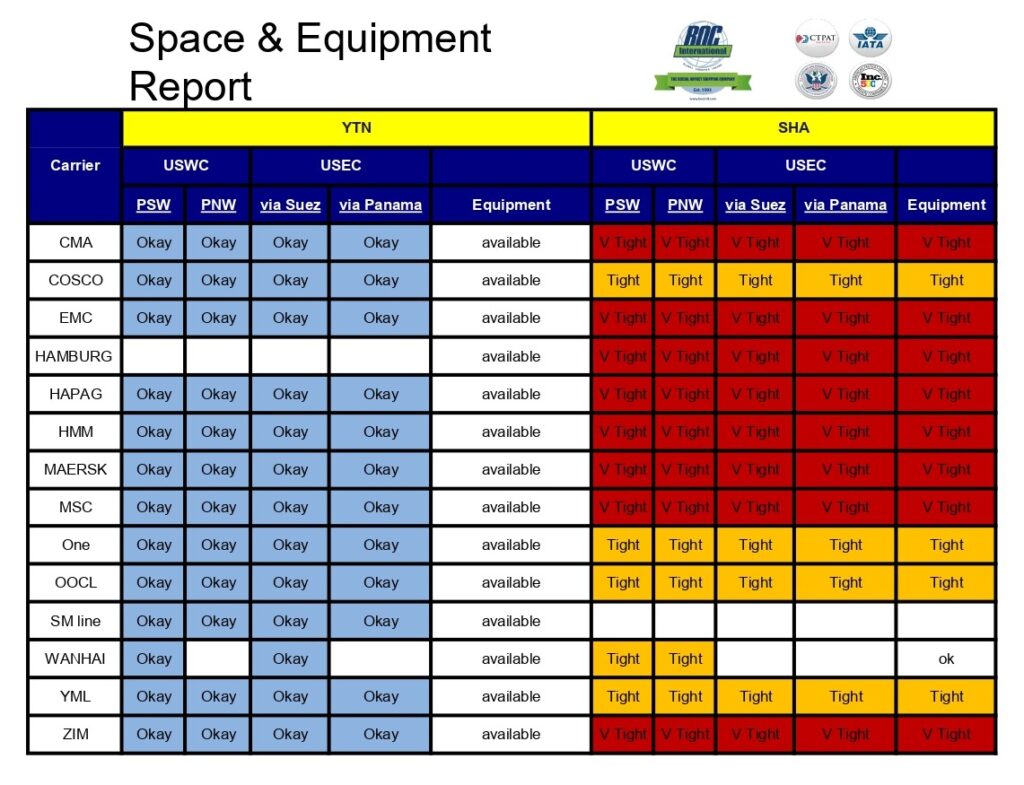
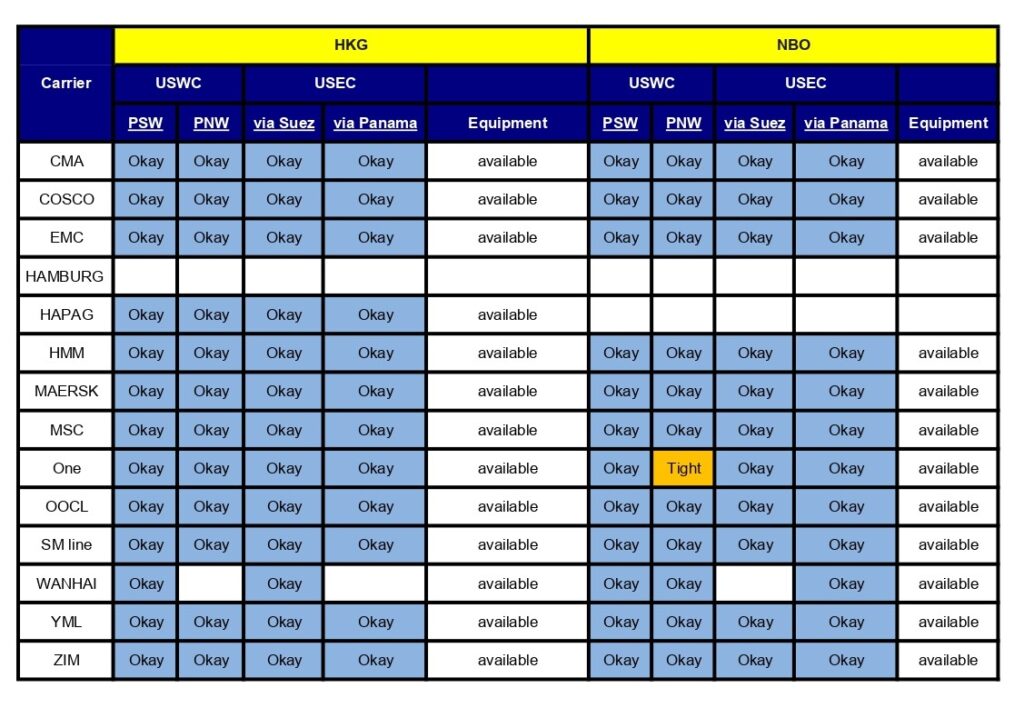
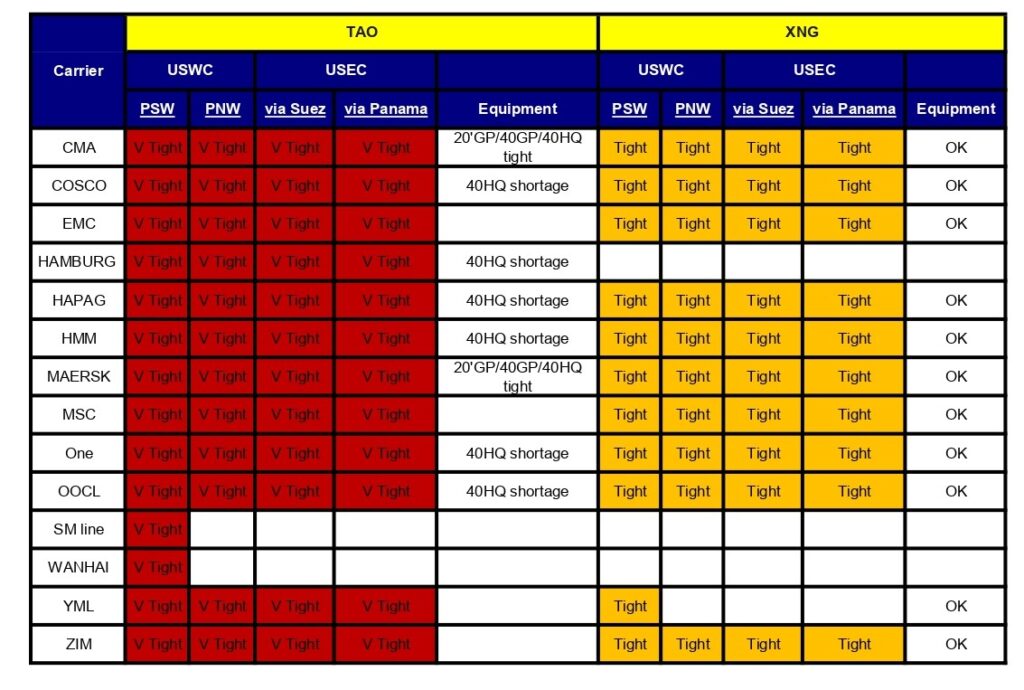
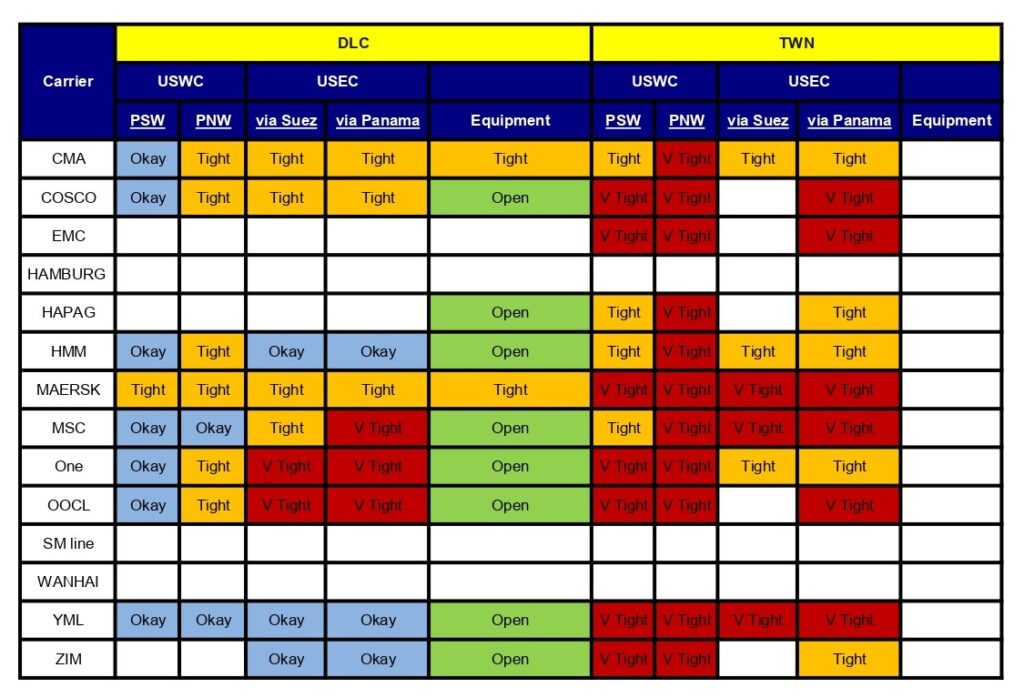
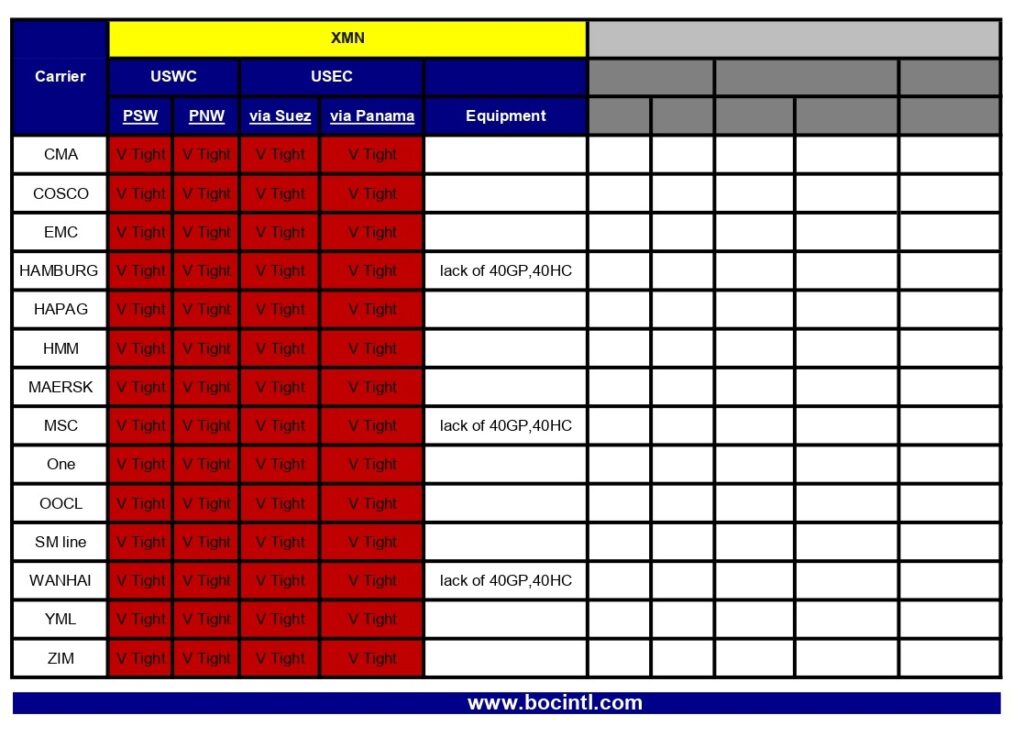
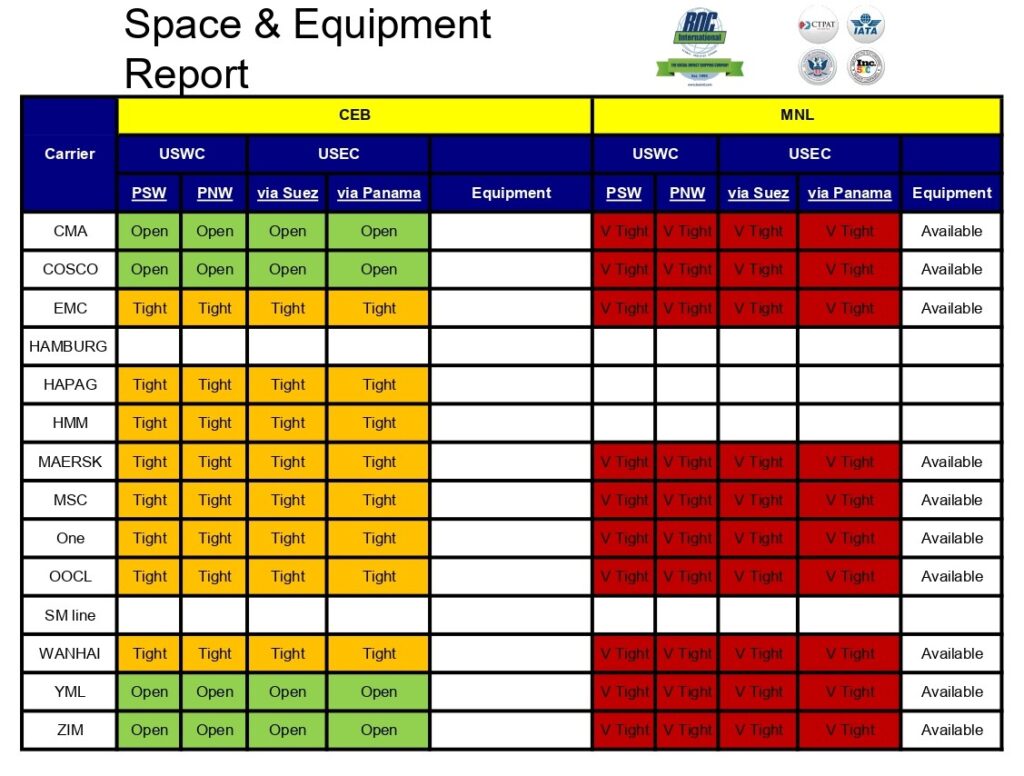
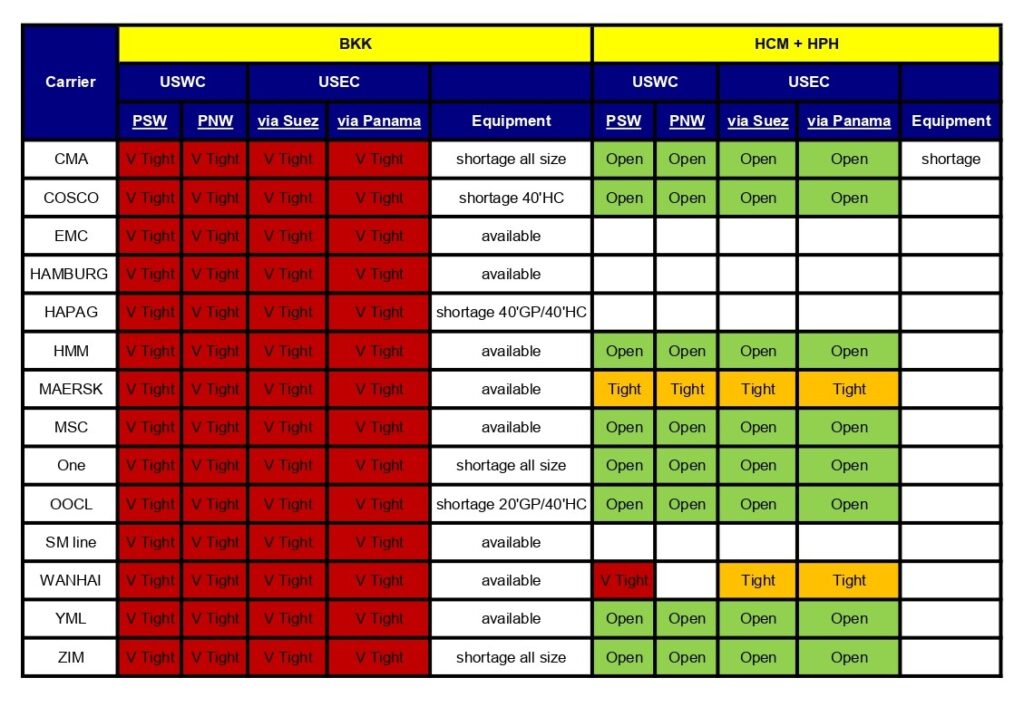
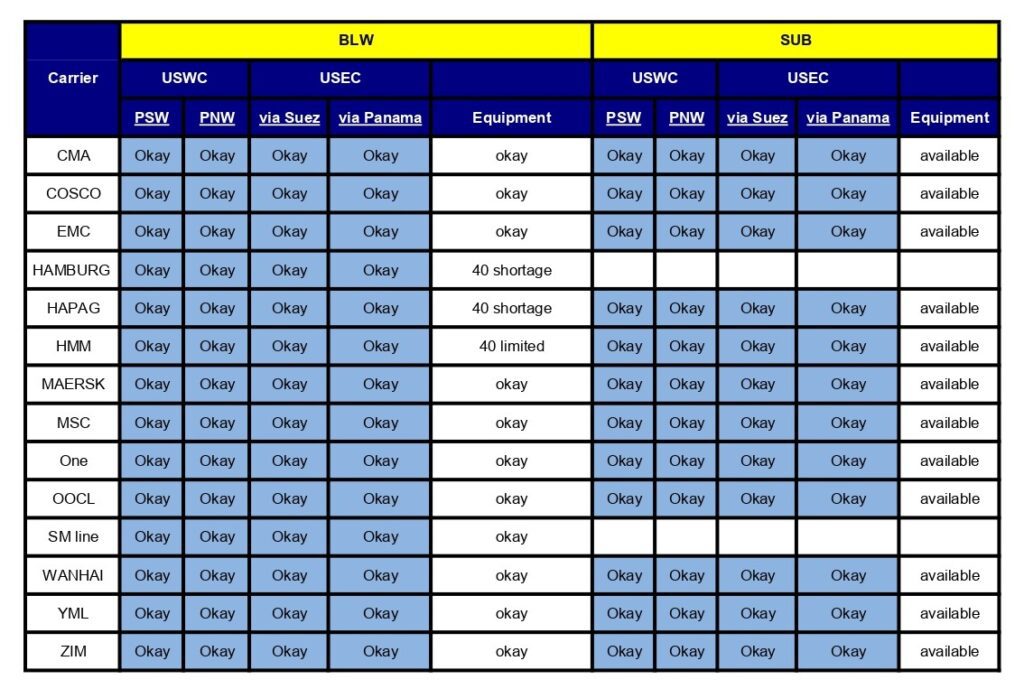
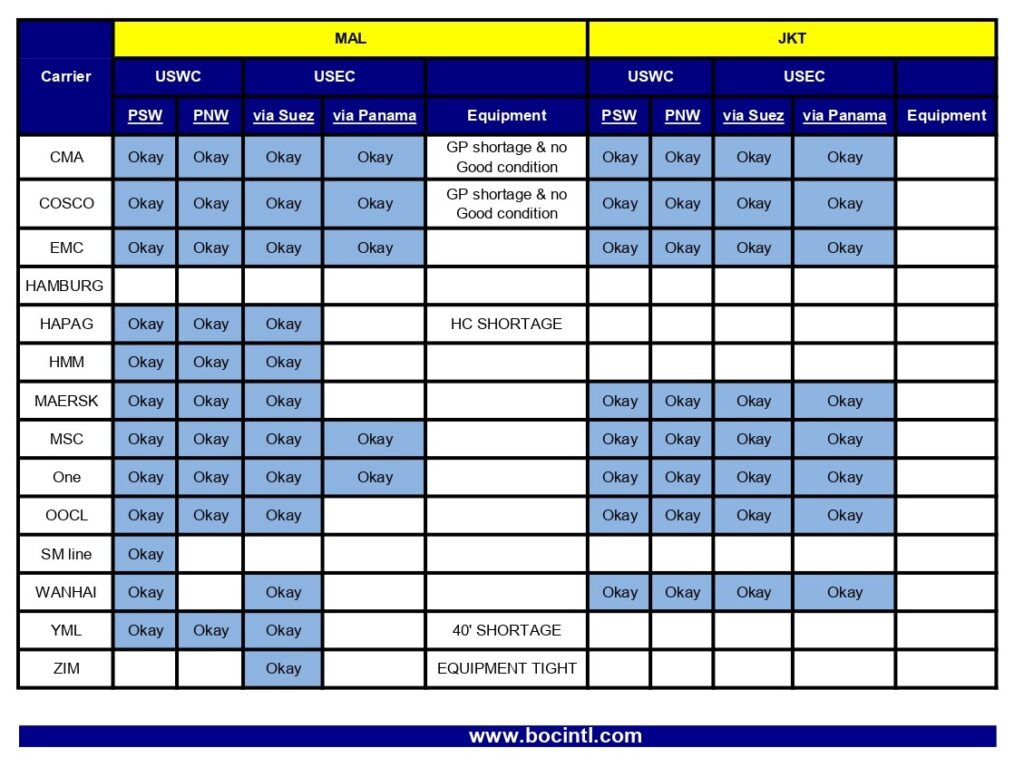
Please find our newest Space and Equipment report, below.
Please note: regardless of the status showing on the report, please reach out to your BOC Representative to discuss existing status. Space availability changes daily, even multiple times per day. This report is just a general guideline. We will always do everything we can to help you move your freight.
…………………………………………………………………………………………………………………………………………………………………………………………………………………………………………..
…………………………………………………………………………………………………………………………………………………………………………………………………………………………………………..

…………………………………………………………………………………………………………………………………………………………………………………………………………………………………………..


…………………………………………………………………………………………………………………………………………………………………………………………………………………………………………..
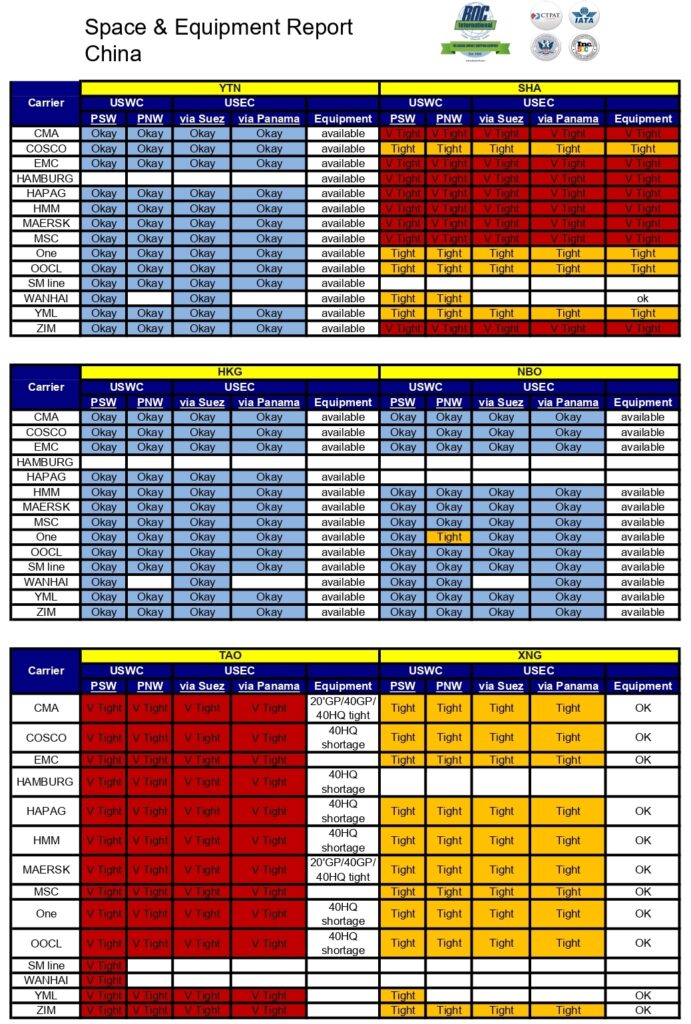
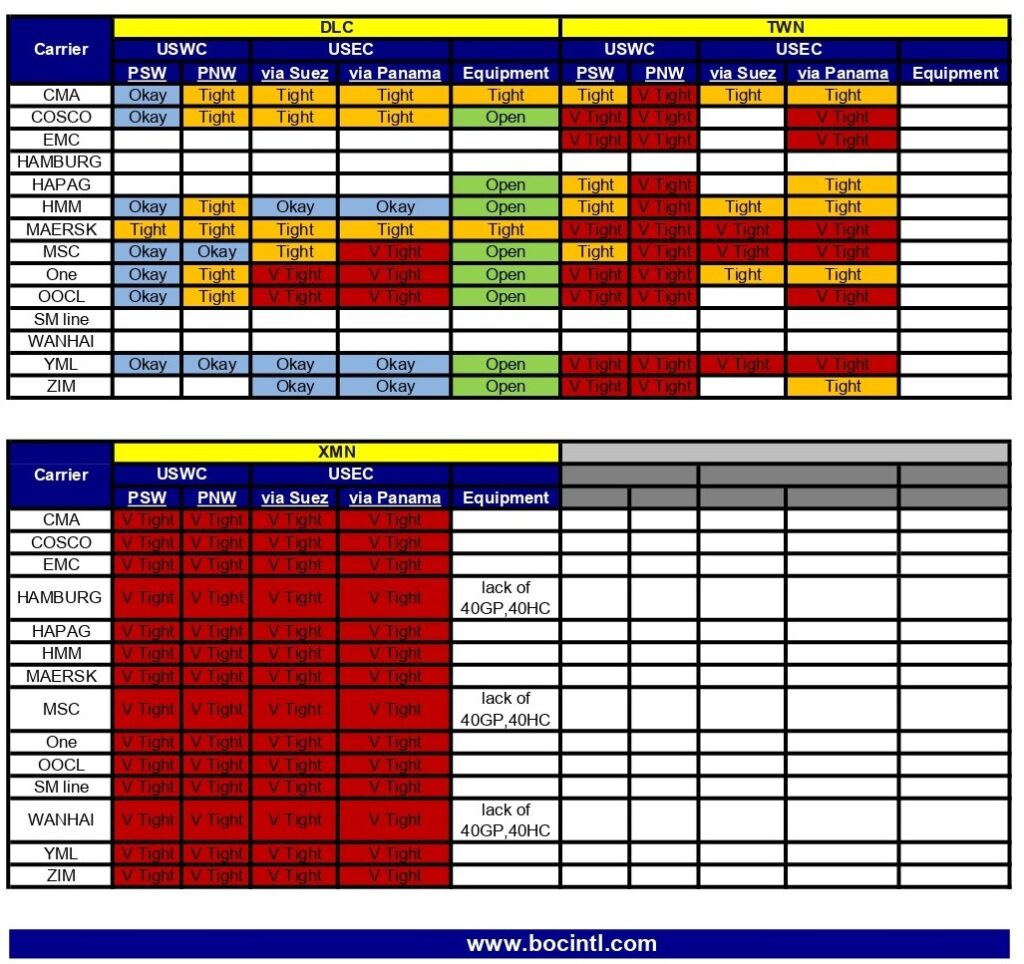
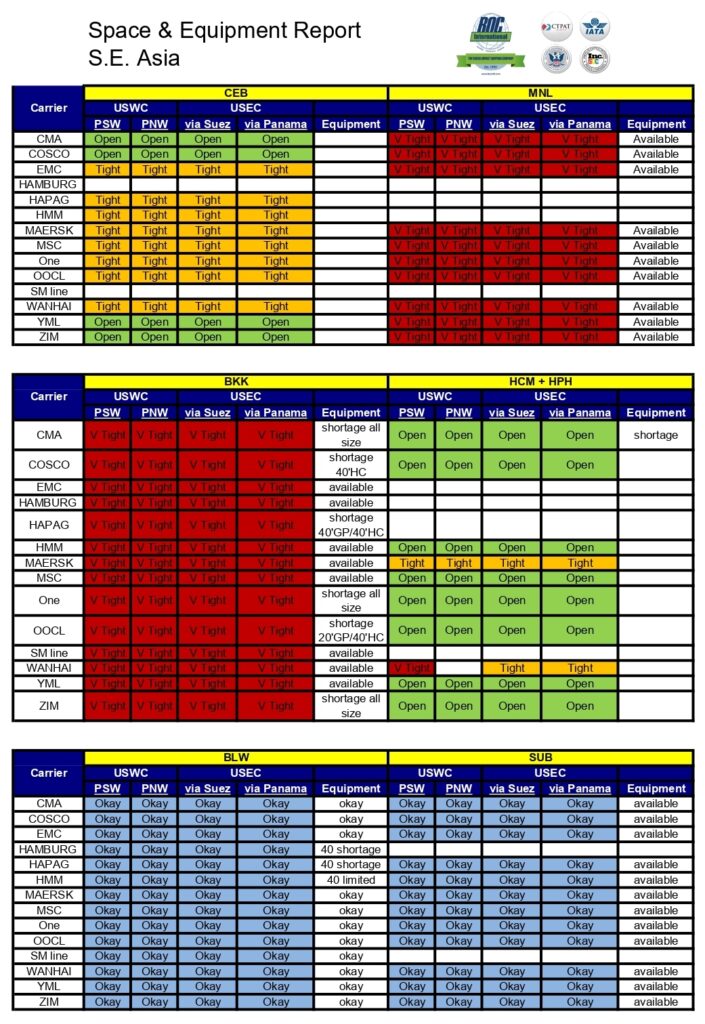
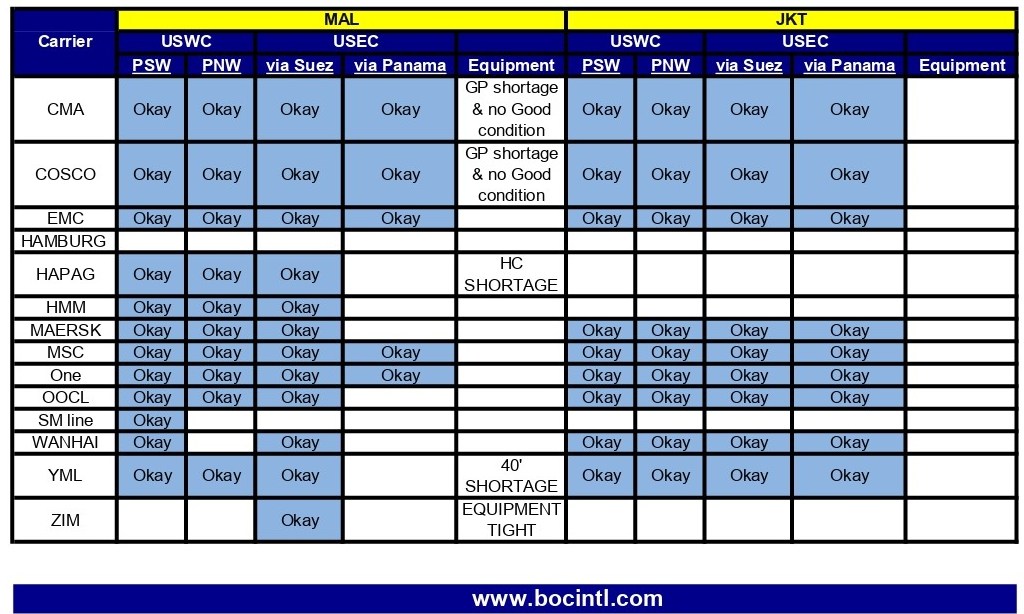
Please find our newest Space and Equipment report, below.
Please note: regardless of the status showing on the report, please reach out to your BOC Representative to discuss existing status. Space availability changes daily, even multiple times per day. This report is just a general guideline. We will always do everything we can to help you move your freight.
…………………………………………………………………………………………………………………………………………………………………………………………………………………………………………..
…………………………………………………………………………………………………………………………………………………………………………………………………………………………………………..

…………………………………………………………………………………………………………………………………………………………………………………………………………………………………………..


…………………………………………………………………………………………………………………………………………………………………………………………………………………………………………..
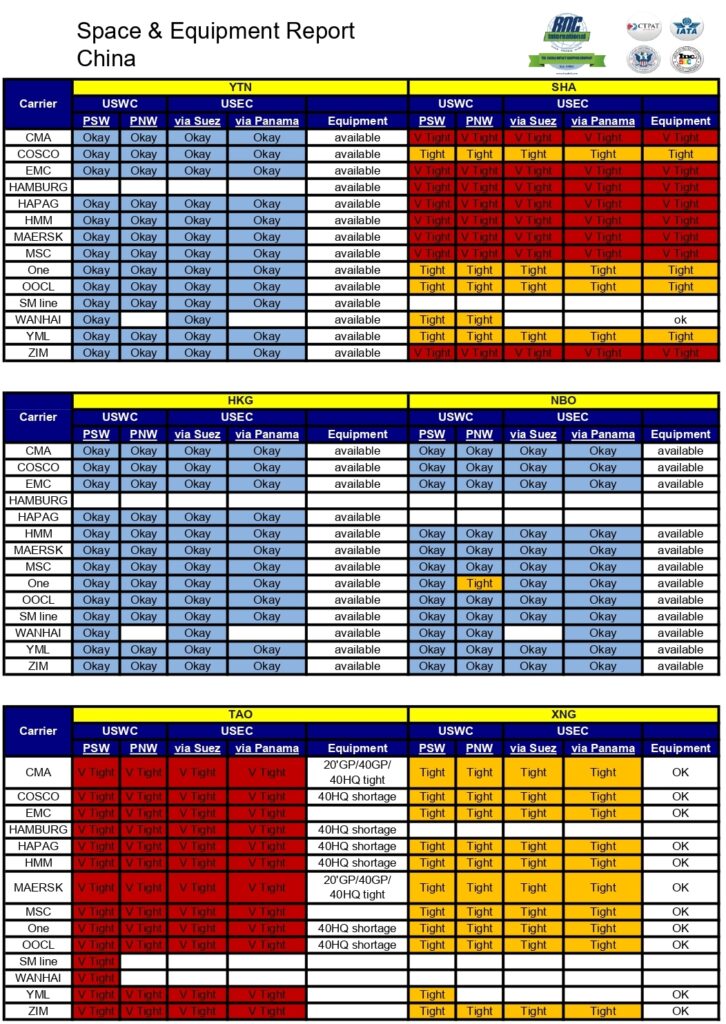
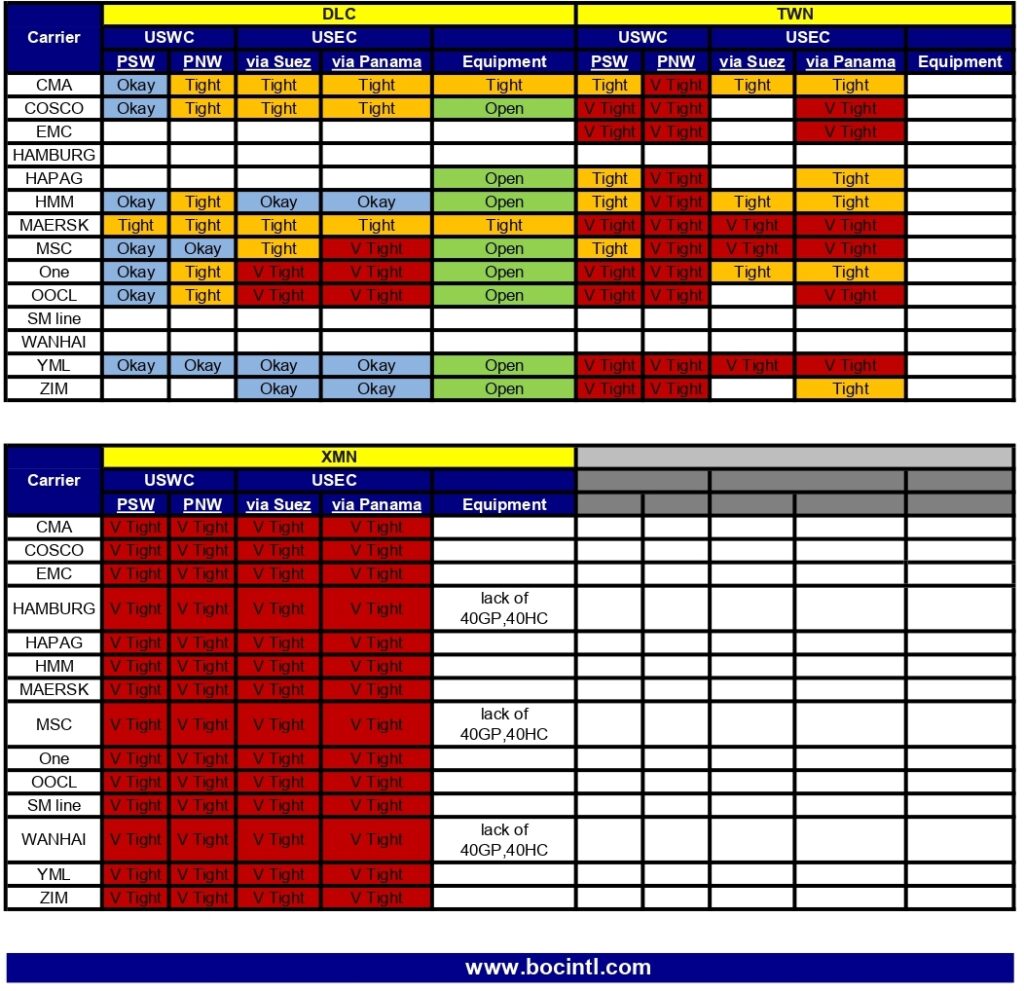
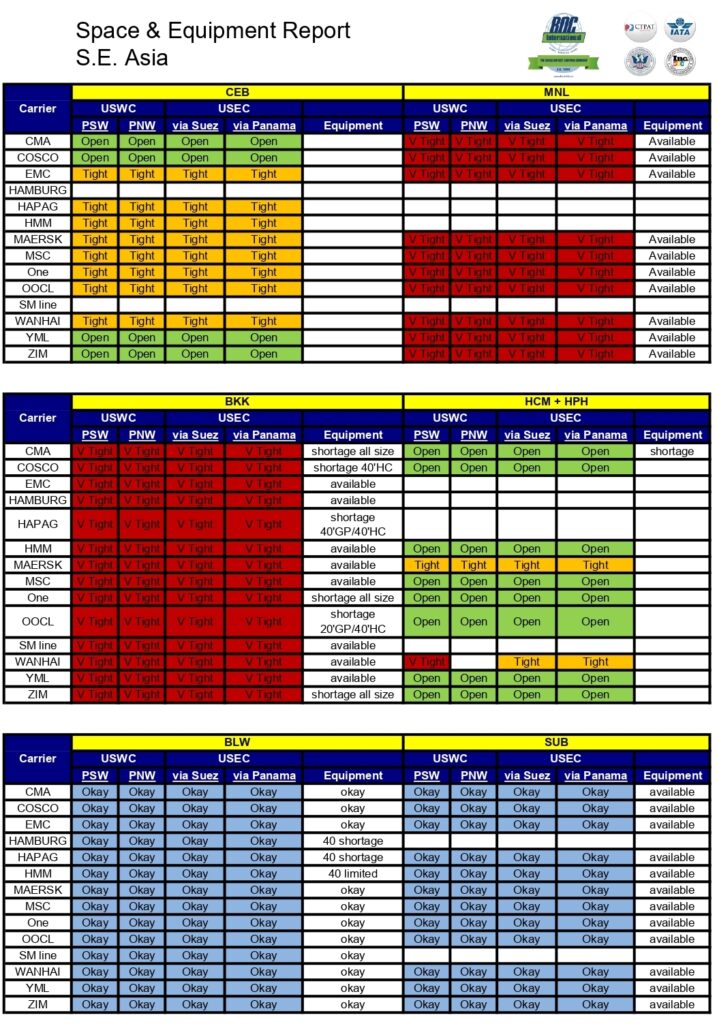
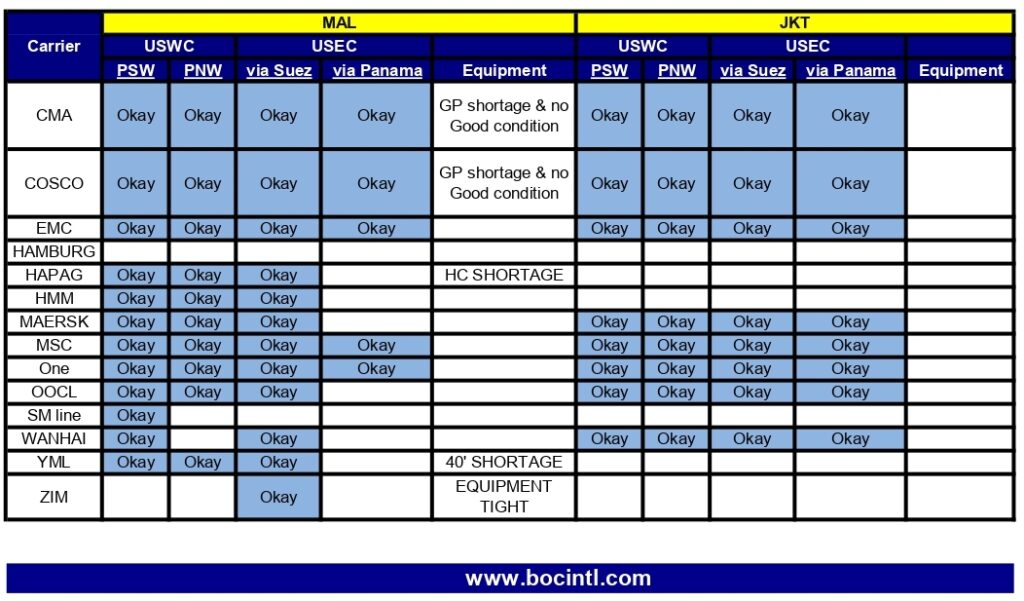
Please find our newest Space and Equipment report, below.
Please note: regardless of the status showing on the report, please reach out to your BOC Representative to discuss existing status. Space availability changes daily, even multiple times per day. This report is just a general guideline. We will always do everything we can to help you move your freight.
…………………………………………………………………………………………………………………………………………………………………………………………………………………………………………..
…………………………………………………………………………………………………………………………………………………………………………………………………………………………………………..

…………………………………………………………………………………………………………………………………………………………………………………………………………………………………………..

…………………………………………………………………………………………………………………………………………………………………………………………………………………………………………..
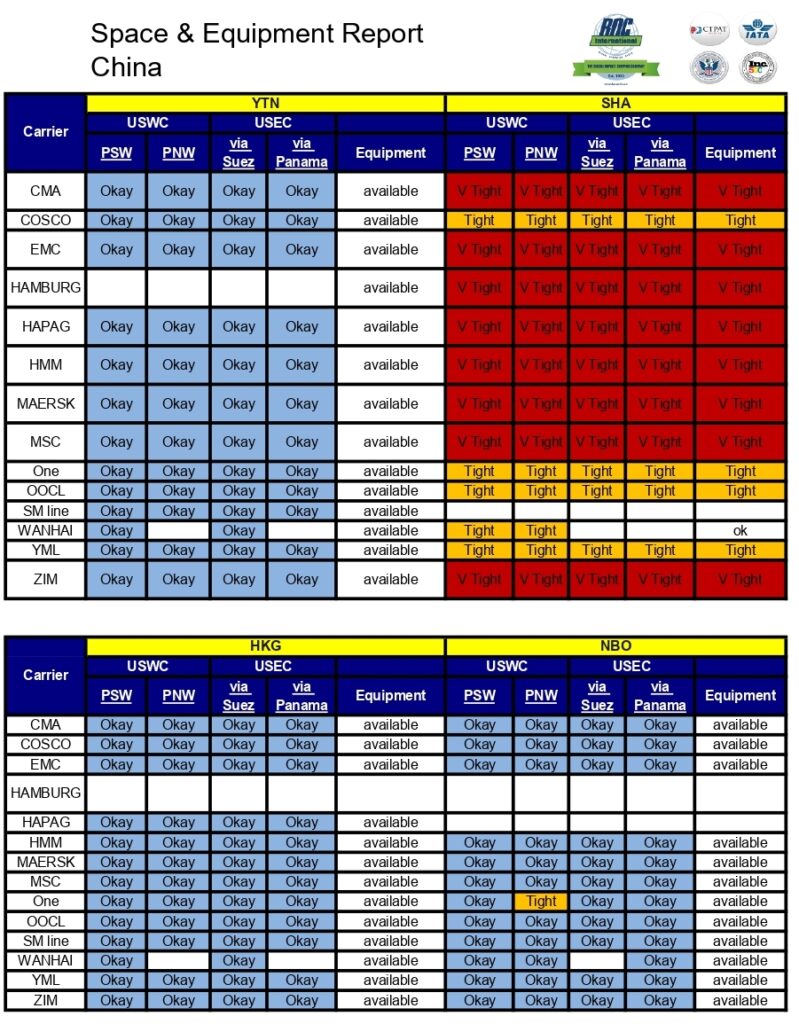
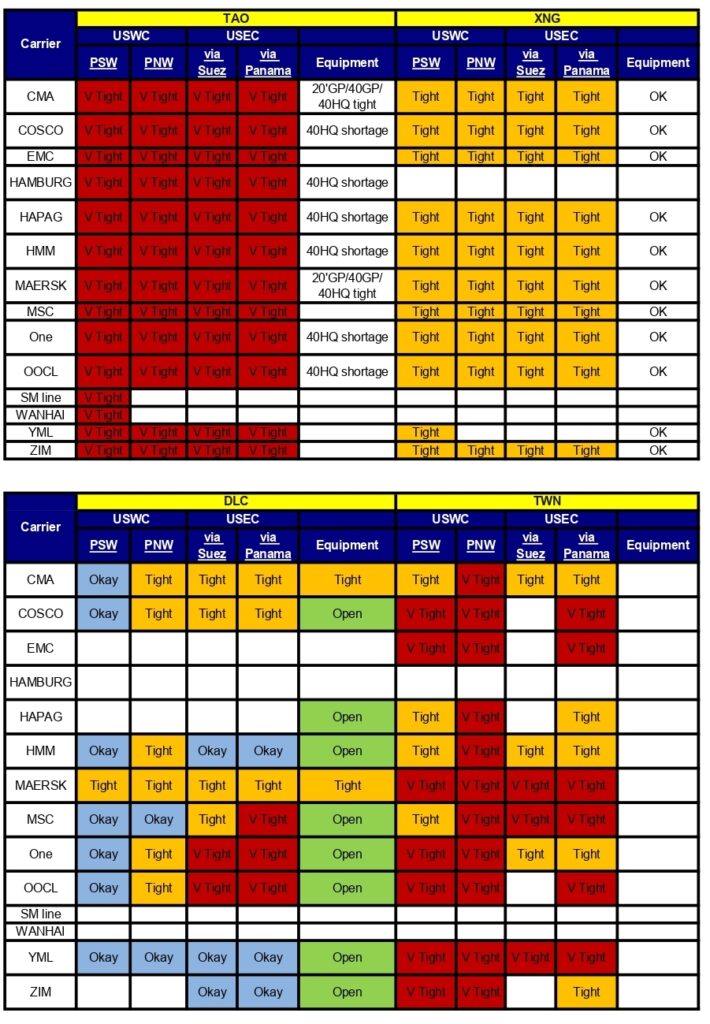
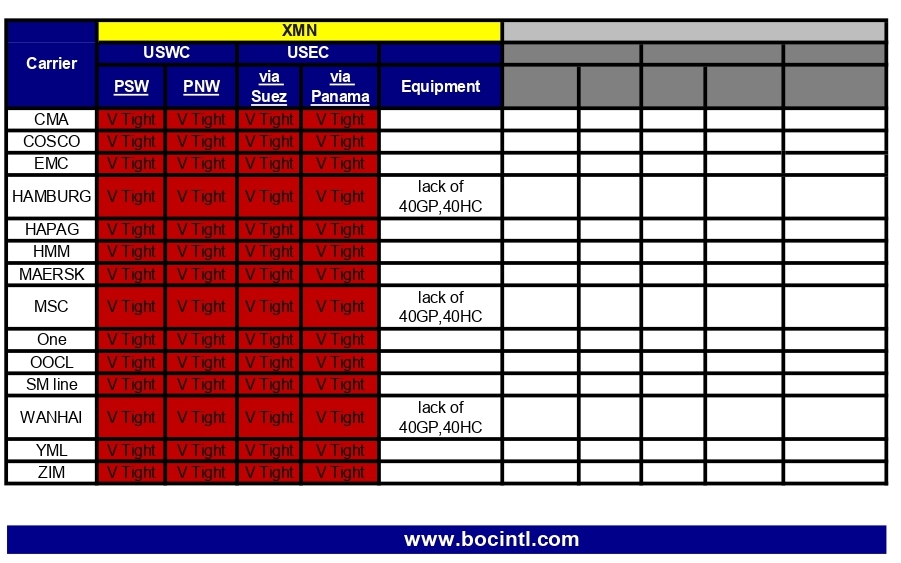
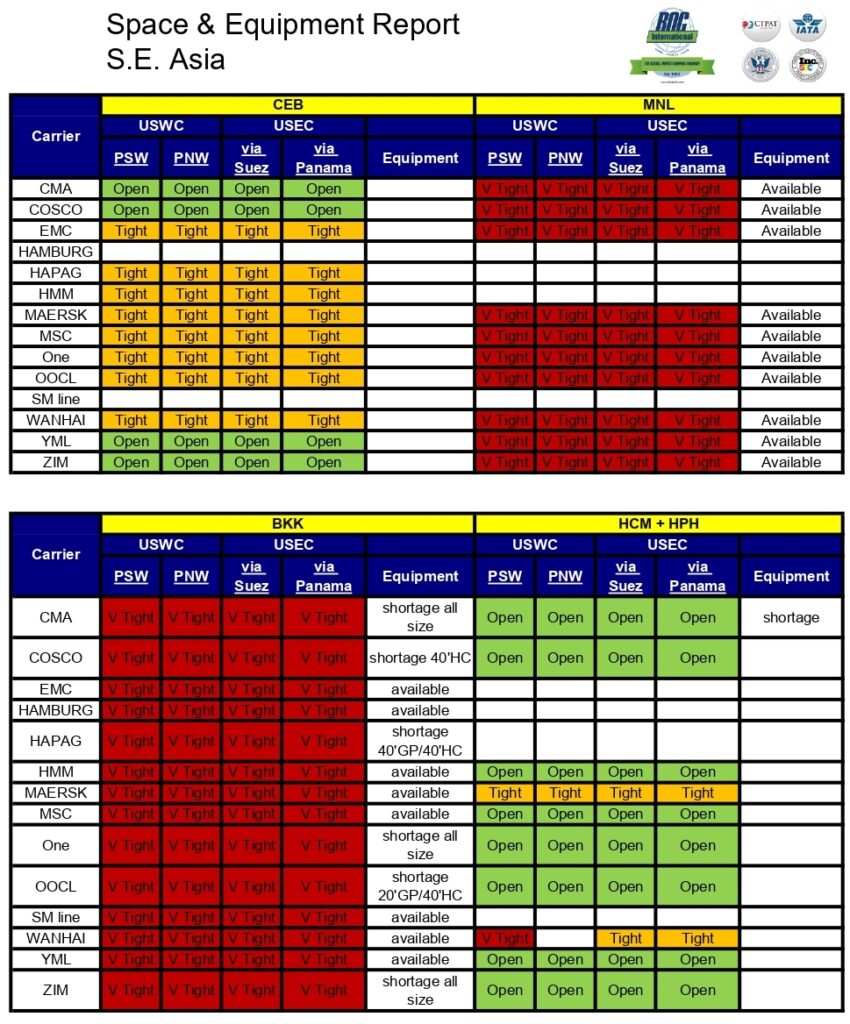
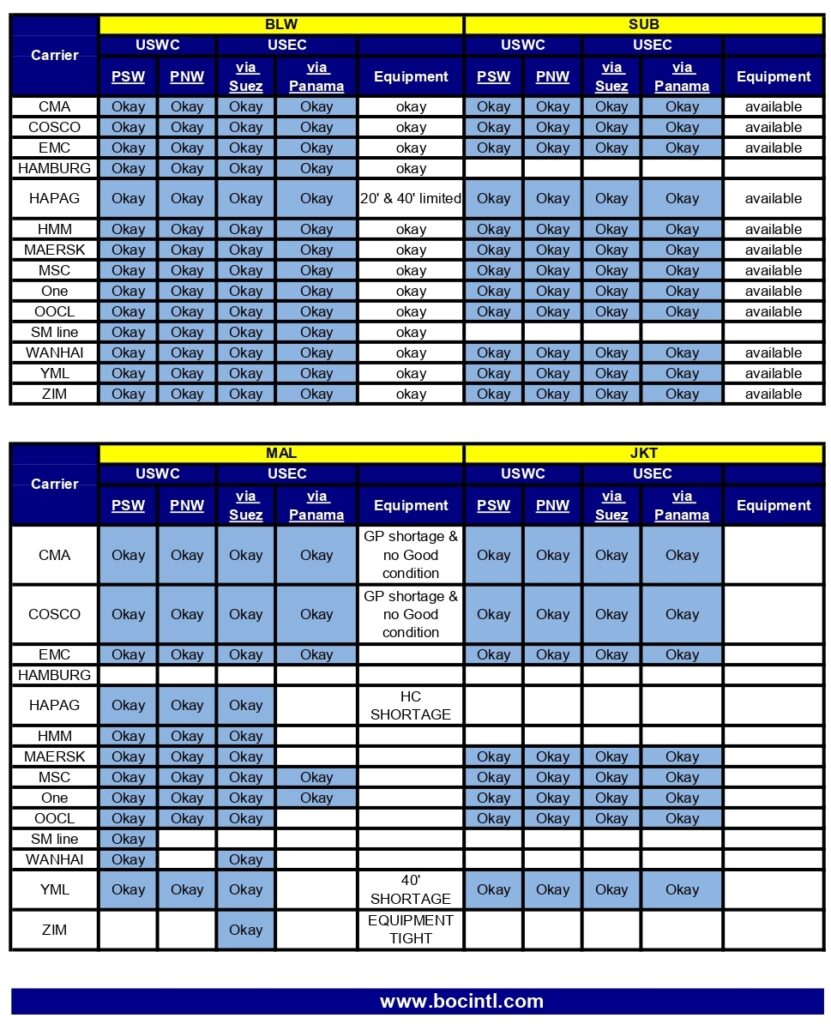
Please find our newest Space and Equipment report, below.
Please note: regardless of the status showing on the report, please reach out to your BOC Representative to discuss existing status. Space availability changes daily, even multiple times per day. This report is just a general guideline. We will always do everything we can to help you move your freight.
…………………………………………………………………………………………………………………………………………………………………………………………………………………………………………..
…………………………………………………………………………………………………………………………………………………………………………………………………………………………………………..

…………………………………………………………………………………………………………………………………………………………………………………………………………………………………………..





…………………………………………………………………………………………………………………………………………………………………………………………………………………………………………..
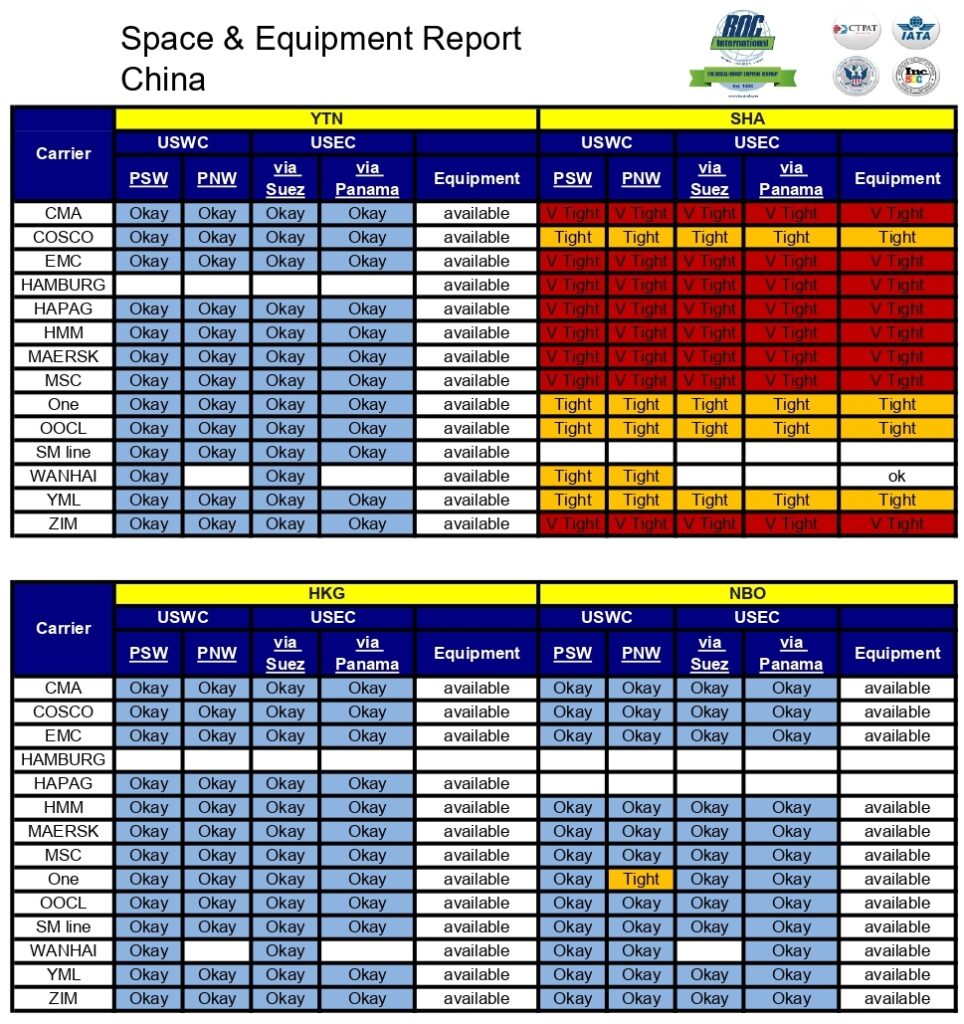
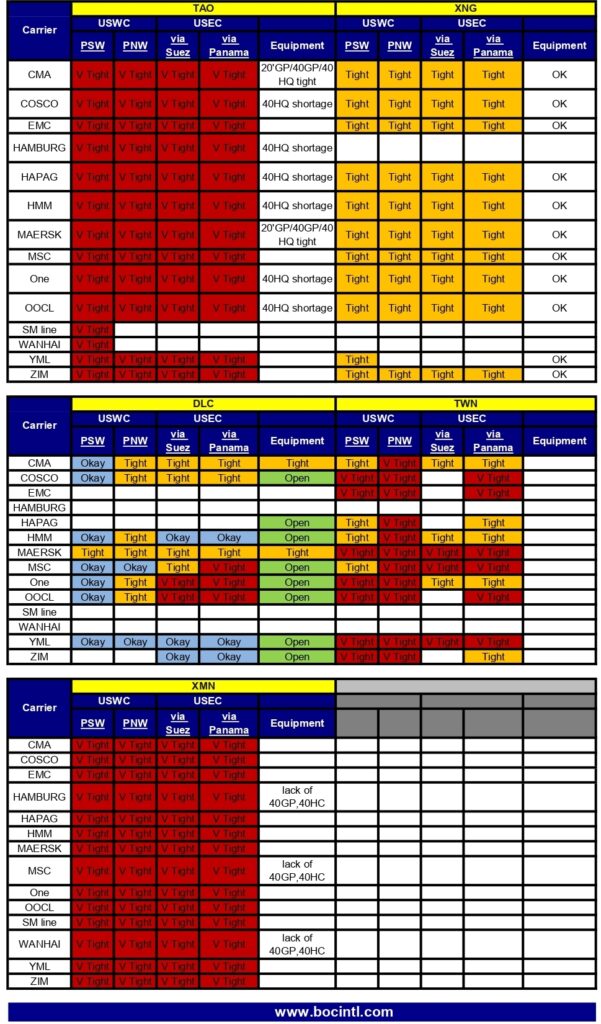
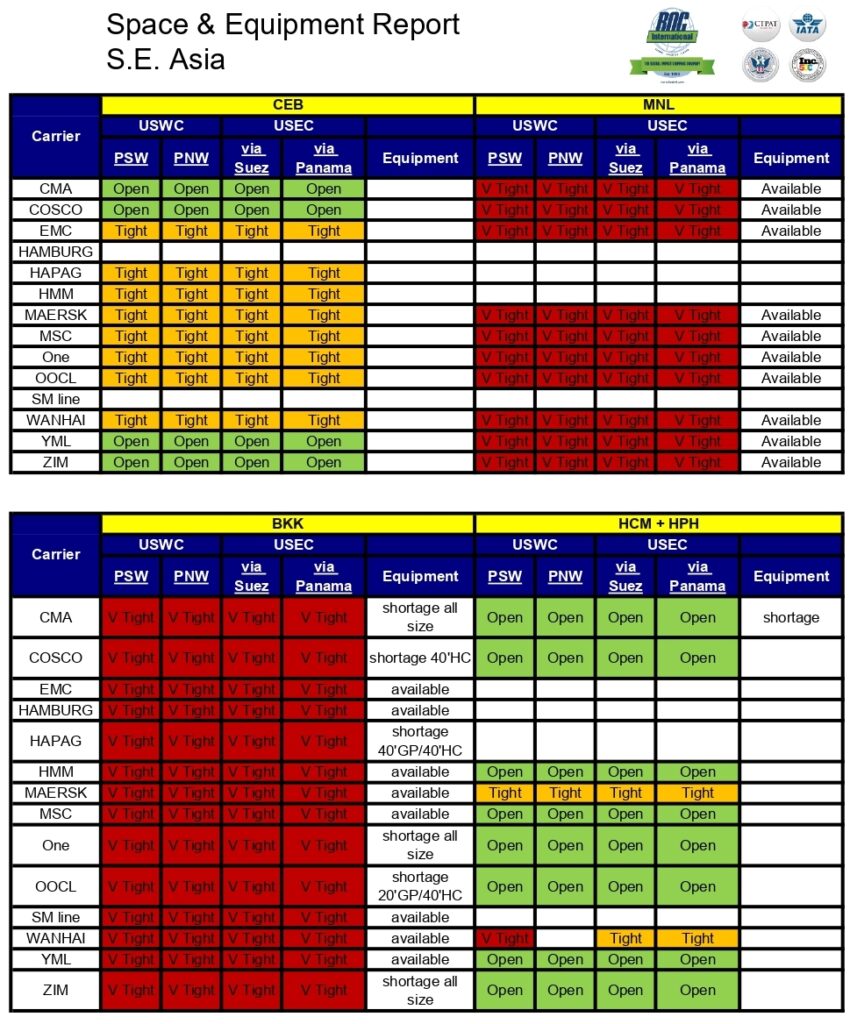
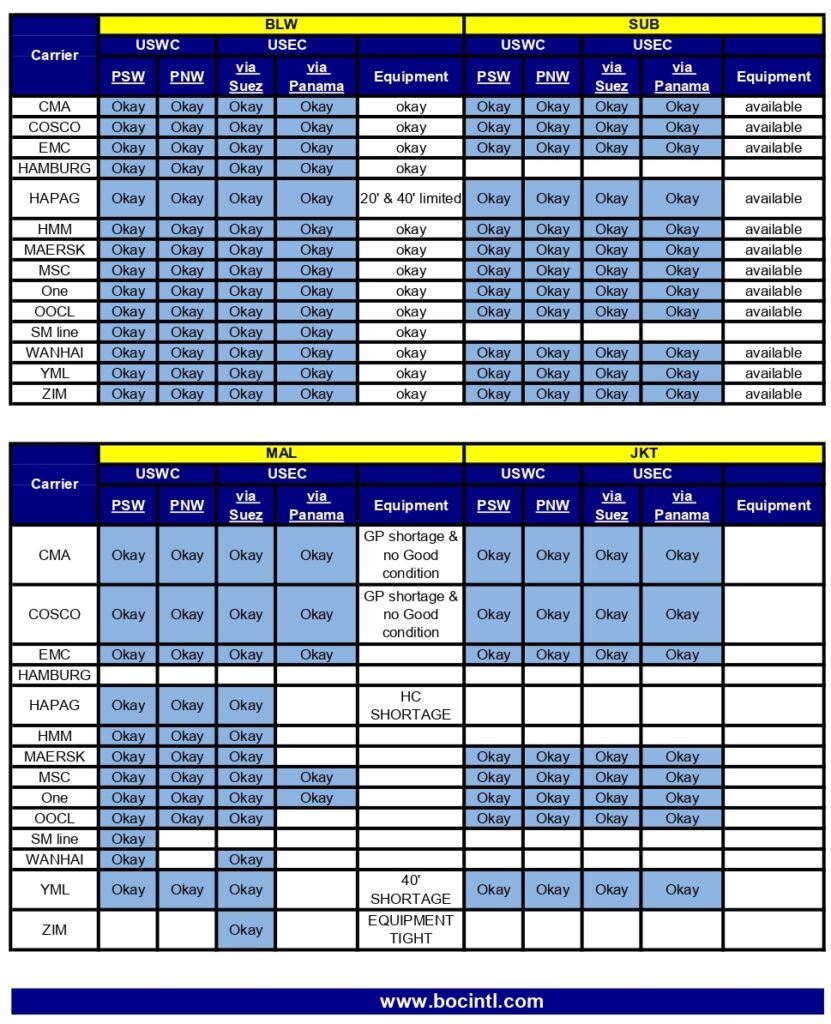
Please find our newest Space and Equipment report, below.
Please note: regardless of the status showing on the report, please reach out to your BOC Representative to discuss existing status. Space availability changes daily, even multiple times per day. This report is just a general guideline. We will always do everything we can to help you move your freight.
…………………………………………………………………………………………………………………………………………………………………………………………………………………………………………..
…………………………………………………………………………………………………………………………………………………………………………………………………………………………………………..

…………………………………………………………………………………………………………………………………………………………………………………………………………………………………………..